

Introduction
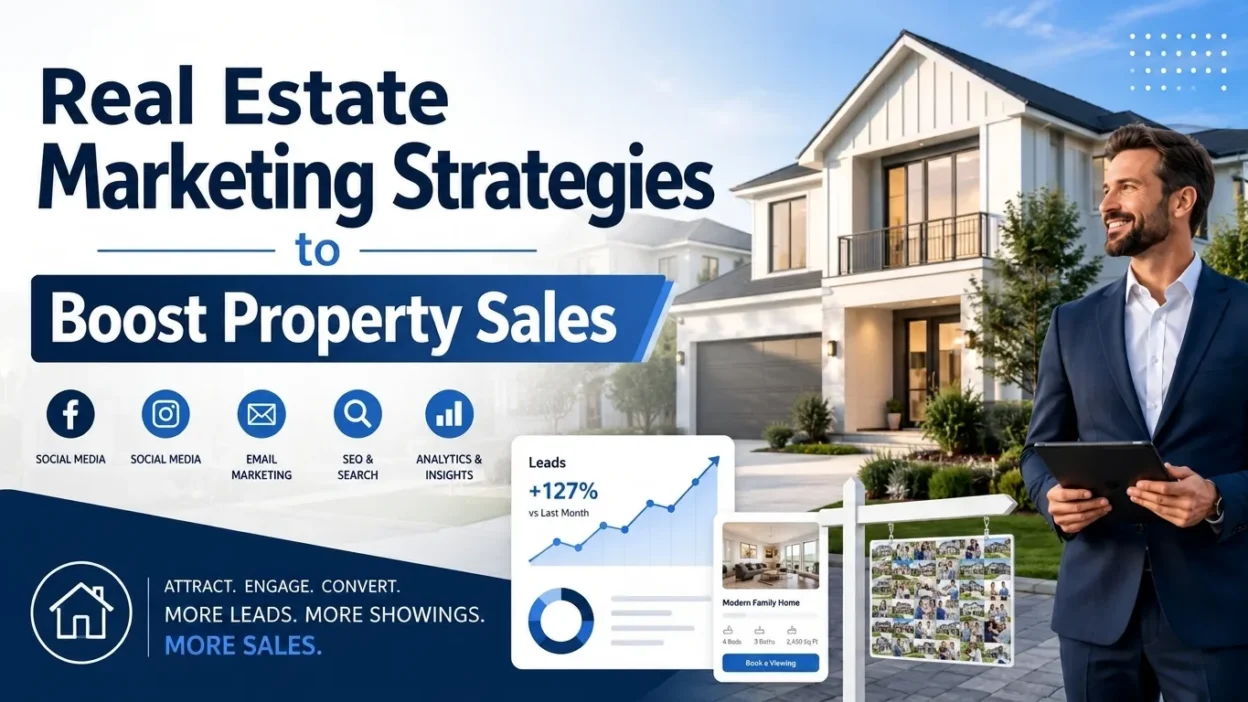
In today’s competitive property market, effective real estate marketing is the key to attracting buyers and closing deals faster. Whether you are an independent agent, a real estate firm, or a property developer, having a solid marketing strategy can make all the difference in boosting property visibility and generating qualified leads.
From leveraging digital channels like social media, email campaigns, and SEO-optimized websites to utilizing traditional approaches such as open houses and print advertising, successful real estate marketing combines creativity with data-driven tactics.
Basics of Real Estate Marketing
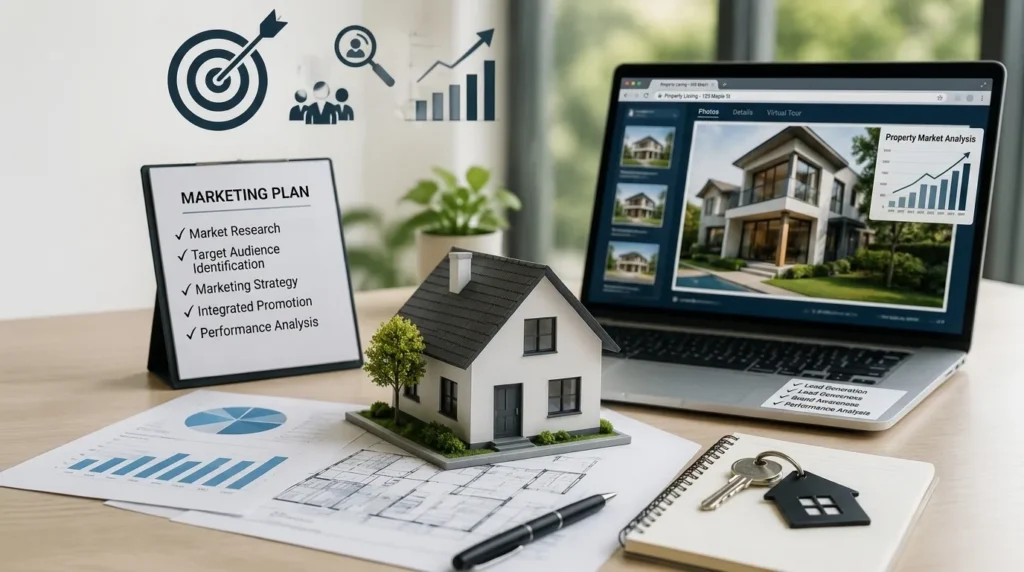
Real estate marketing is the practice of promoting properties to attract potential buyers and generate leads for property sales. At its core, it involves identifying your target audience, understanding their needs, and delivering the right message through effective channels.
Traditional marketing methods like flyers, open houses, and newspaper ads are still relevant, but modern strategies increasingly rely on digital platforms such as social media, email campaigns, and websites. A strong real estate marketing foundation ensures that properties gain maximum visibility, prospective buyers receive timely information, and agents can convert leads into closed sales more efficiently.
Key Challenges in Modern Real Estate Marketing

Marketing properties today comes with a unique set of challenges. The rise of online property platforms has increased competition, making it harder for individual listings to stand out. Buyers have higher expectations for quality visuals, detailed property information, and virtual tours. Additionally, constantly evolving technology requires agents to keep up with digital trends, SEO, and social media algorithms.
Other challenges include limited marketing budgets, generating qualified leads, and maintaining consistent engagement with potential buyers. Overcoming these hurdles requires innovative strategies, strategic planning, and leveraging both traditional and digital marketing techniques.
How Technology is Changing Real Estate Marketing
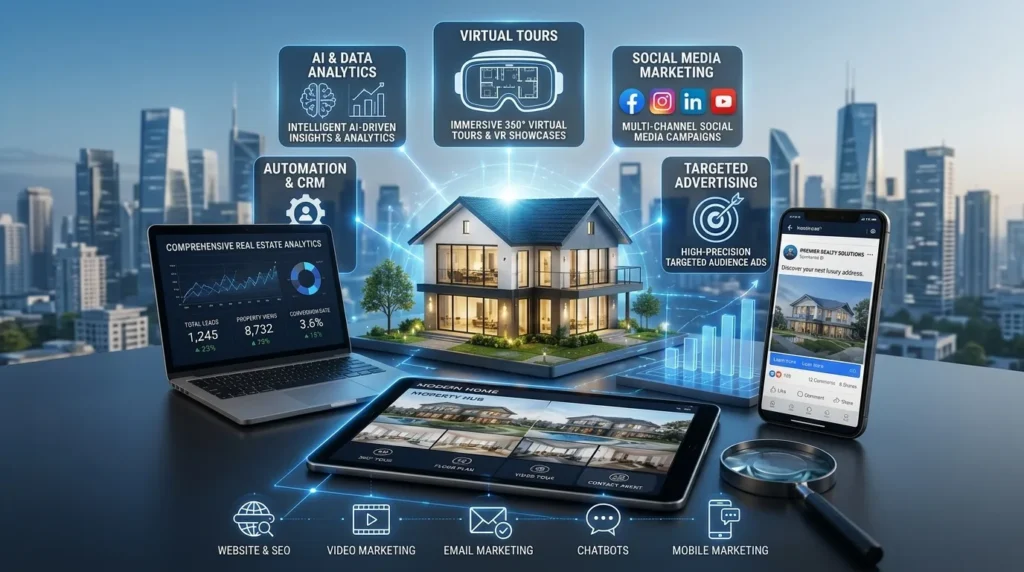
Technology has transformed the way real estate marketing is executed. High-quality photography, 3D virtual tours, drone footage, and interactive floor plans now allow buyers to explore properties remotely and make informed decisions faster. Customer Relationship Management (CRM) systems help agents track leads, automate follow-ups, and analyze marketing performance.
Digital marketing tools, including social media ads and SEO, improve property visibility online. Even AI-driven chatbots are increasingly used to answer buyer queries instantly. By embracing technology, real estate professionals can save time, reach a wider audience, and increase their chances of closing sales.
Building a Strong Brand in Real Estate Marketing

A strong personal or agency brand in real estate marketing helps establish credibility and trust with clients. Branding is more than just a logo or color scheme; it involves consistent messaging, high-quality content, and professional communication.
Agents who showcase expertise, client testimonials, and successful transactions can differentiate themselves from competitors. A well-defined brand also creates a memorable impression, which encourages repeat business and referrals. Whether through social media presence, property listings, or community engagement, building a recognizable brand is essential to long-term success in real estate marketing.
The Role of Social Media in Property Promotion
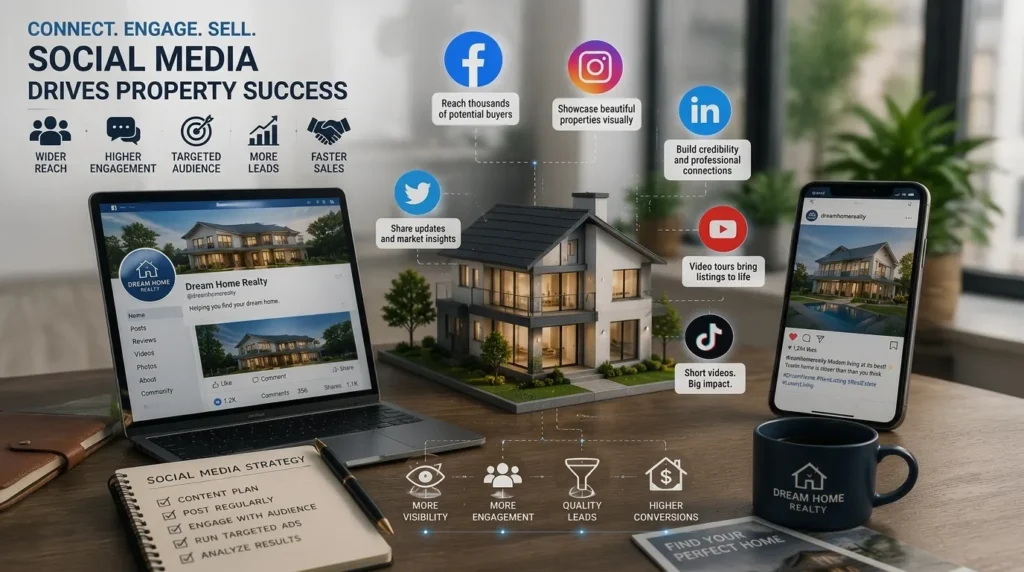
Social media has become a critical tool for real estate marketing, offering an affordable way to reach large and targeted audiences. Platforms like Instagram, Facebook, LinkedIn, and TikTok allow agents to showcase properties through photos, videos, and stories, engaging potential buyers in real-time. Social media marketing also facilitates direct communication, instant feedback, and lead generation through ads and interactive posts.
Agents can share market insights, client testimonials, and behind-the-scenes content to build trust and foster relationships. Effective social media use not only increases property visibility but also strengthens the agent’s professional reputation.
Crafting Compelling Real Estate Listings That Sell
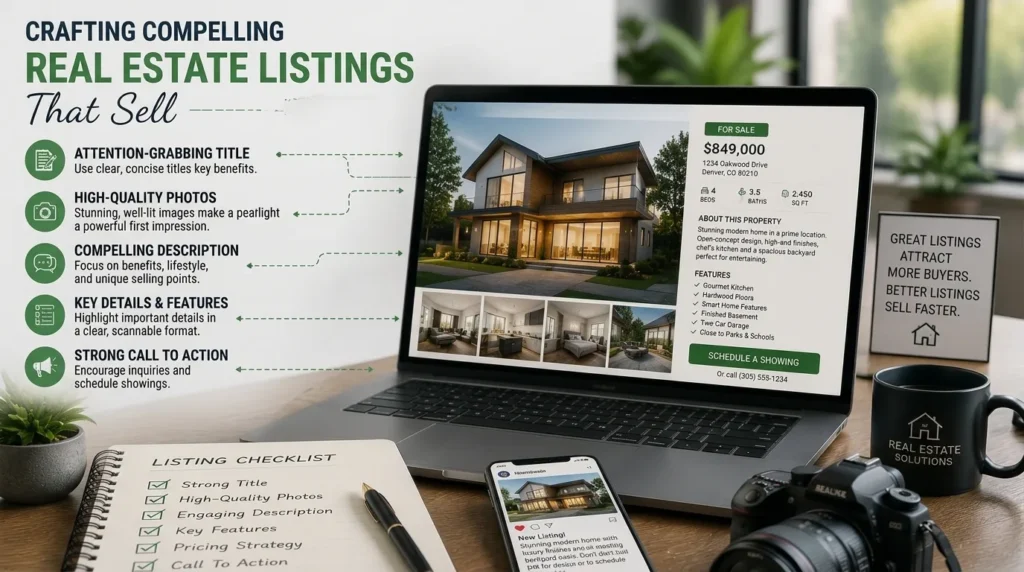
A strong property listing is the backbone of effective real estate marketing. It should include a clear and engaging headline, high-quality images, and detailed property descriptions highlighting key features. Emphasize unique selling points, such as location benefits, renovations, or amenities, to capture buyer interest.
Accurate pricing information and clear call-to-actions, like scheduling a viewing, help convert leads into sales. A compelling listing builds trust and encourages potential buyers to take the next step, whether it’s contacting the agent or sharing the property with others.
Real Estate Marketing Through Email Newsletters
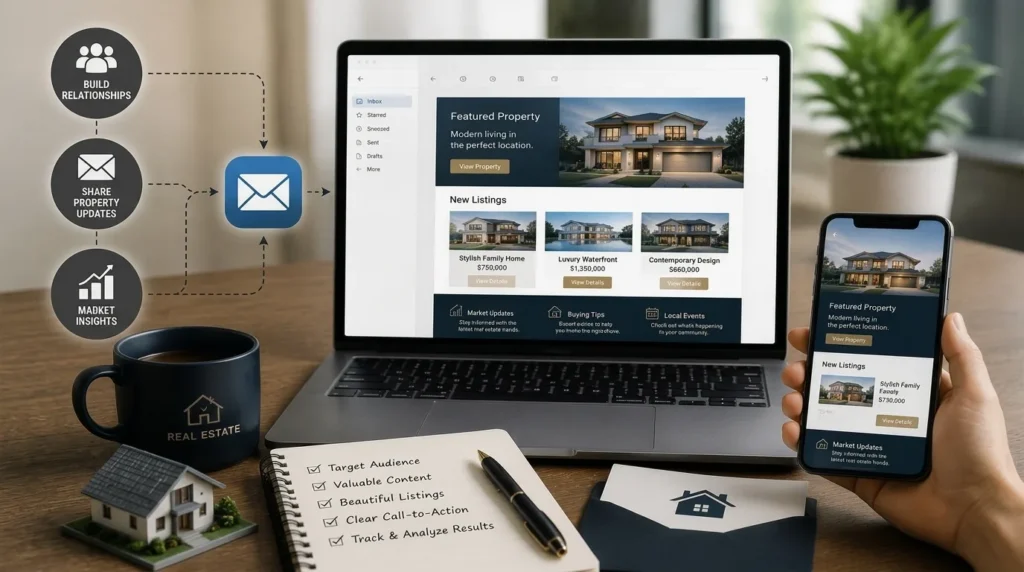
Email marketing remains one of the most cost-effective ways to nurture leads and maintain client engagement. By sending targeted newsletters, agents can showcase new listings, share market updates, and provide valuable tips to buyers and sellers.
Personalization increases open rates, while consistent scheduling keeps your audience informed without overwhelming them. Including clear calls-to-action, such as requesting a showing or downloading a property guide, improves conversion. Well-executed email campaigns keep your real estate brand top-of-mind and strengthen relationships with both prospective and past clients.
Using Video and Virtual Tours to Attract Buyers
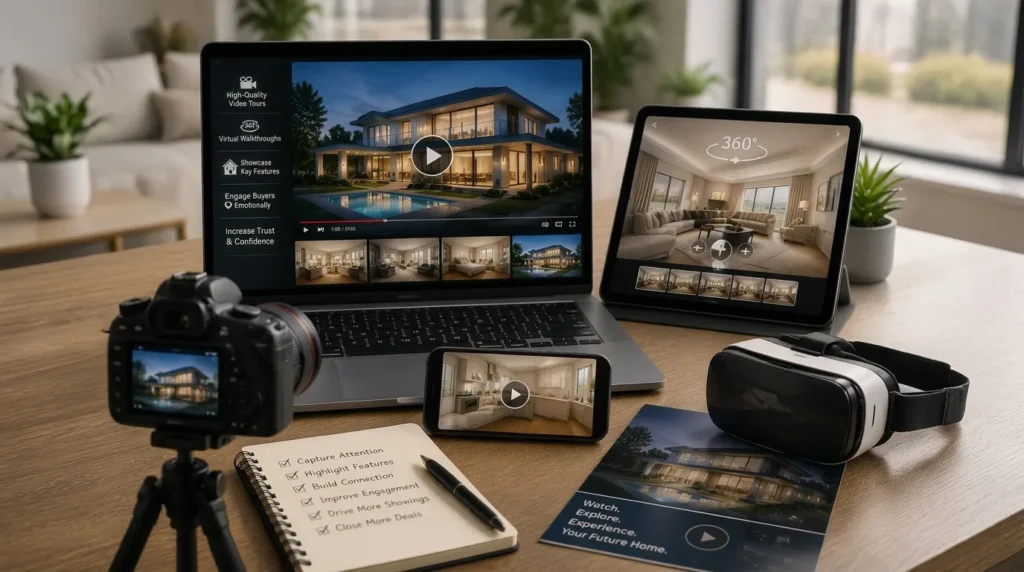
Videos and virtual tours allow buyers to experience a property without physically visiting it, which is especially valuable in today’s fast-paced market. Walkthrough videos, drone footage, and 3D tours provide an immersive experience that static images cannot match. They help highlight property features, layout, and surroundings effectively.
Sharing videos on websites, social media, and email campaigns increases engagement, builds trust, and attracts serious buyers. Properties marketed with video content often receive more inquiries and sell faster due to the compelling visual storytelling they provide.
Local Marketing Tactics for Real Estate Success
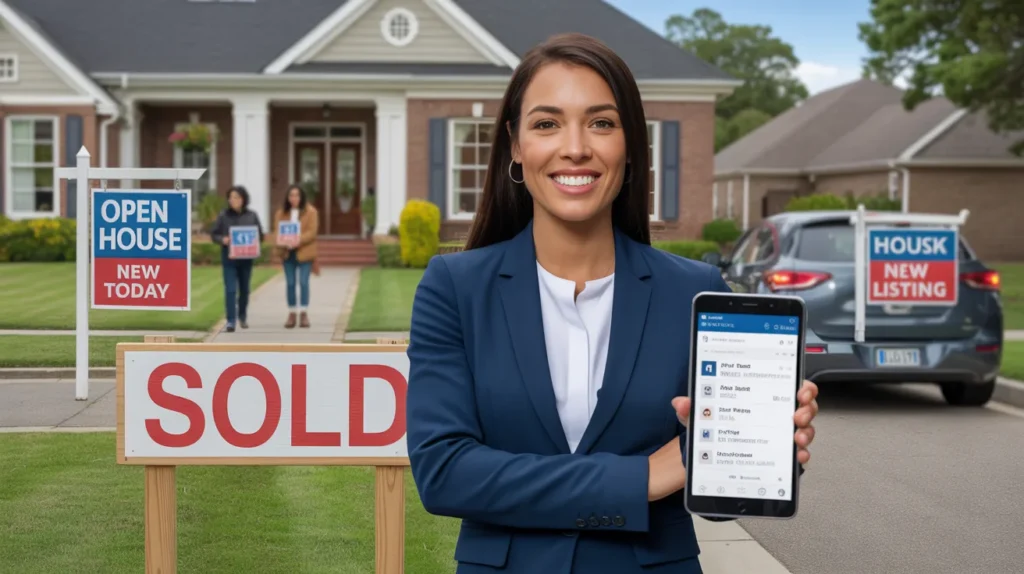
Understanding and targeting your local market is critical for real estate success. Local marketing tactics include sponsoring community events, distributing flyers, hosting open houses, and leveraging local SEO to appear in neighborhood searches. Highlighting nearby schools, parks, shopping areas, and transportation options can make listings more appealing.
Collaborating with local businesses for cross-promotion and engaging in community groups helps build credibility and trust. By focusing on hyper-local strategies, agents can connect with buyers who are most likely to convert and establish themselves as experts in their area.
Optimizing Your Website for Real Estate Leads
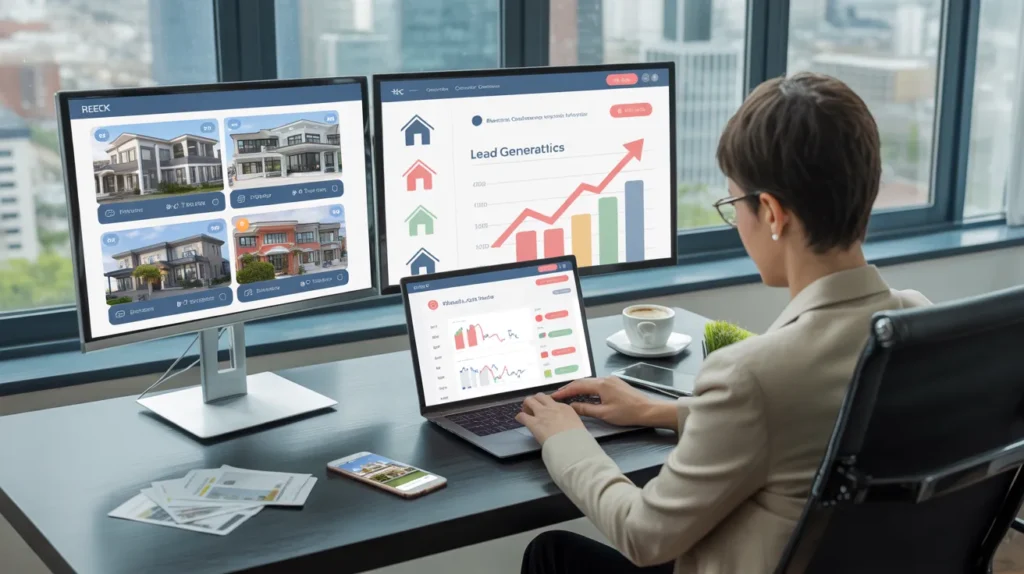
A professional, user-friendly website is essential for generating leads in real estate marketing. Ensure it loads quickly, is mobile-responsive, and features intuitive navigation. Include property listings with high-quality images, detailed descriptions, and easy contact forms.
SEO optimization helps your website appear in search results when buyers look for properties in your area. Blogging about market trends, buying tips, and neighborhood highlights can drive organic traffic and establish authority. A well-optimized website acts as a central hub for your marketing efforts and a powerful tool for attracting and converting potential buyers.
Paid Advertising Strategies for Property Sales
Paid advertising allows real estate agents to reach a highly targeted audience quickly. Platforms like Google Ads, Facebook Ads, and Instagram Ads enable precise targeting based on location, interests, and demographics. Promoted listings, pay-per-click campaigns, and retargeting ads increase visibility and drive traffic to property pages.
It’s essential to monitor ad performance, adjust budgets, and refine targeting to maximize ROI. When executed strategically, paid advertising can generate high-quality leads and accelerate property sales, complementing organic marketing efforts.
Lead Generation Techniques for Real Estate Agents
Generating leads is a core part of successful real estate marketing. Techniques include offering free home valuation tools, downloadable guides, webinars, and virtual events. Networking through community involvement and referrals also provides valuable leads.
Online channels, such as social media, landing pages, and email campaigns, help capture interested buyers’ contact information. Consistent follow-up, personalized communication, and providing value build trust and convert prospects into clients. A multi-channel lead generation approach ensures a steady stream of potential buyers.
Tracking and Measuring Real Estate Marketing Success

To optimize marketing efforts, tracking performance is crucial. Metrics like website traffic, social media engagement, lead conversions, and email open rates reveal which strategies are most effective. Tools like Google Analytics, CRM dashboards, and social media insights help agents monitor performance in real-time.
Regular reporting allows adjustments to campaigns, ensuring budgets are allocated efficiently and marketing efforts produce measurable results. Tracking success also provides valuable data for improving future property promotions.
Networking and Referral Marketing in Real Estate

Networking remains one of the most powerful tools in real estate marketing. Building relationships with past clients, colleagues, and local businesses generates referrals and strengthens reputation. Hosting community events, attending real estate seminars, and joining professional groups increase visibility and credibility.
Referral marketing leverages satisfied clients to attract new buyers, often resulting in high-quality leads. A strong network combined with consistent engagement is a cost-effective strategy to grow a real estate business organically.
Content Marketing Ideas for Realtors
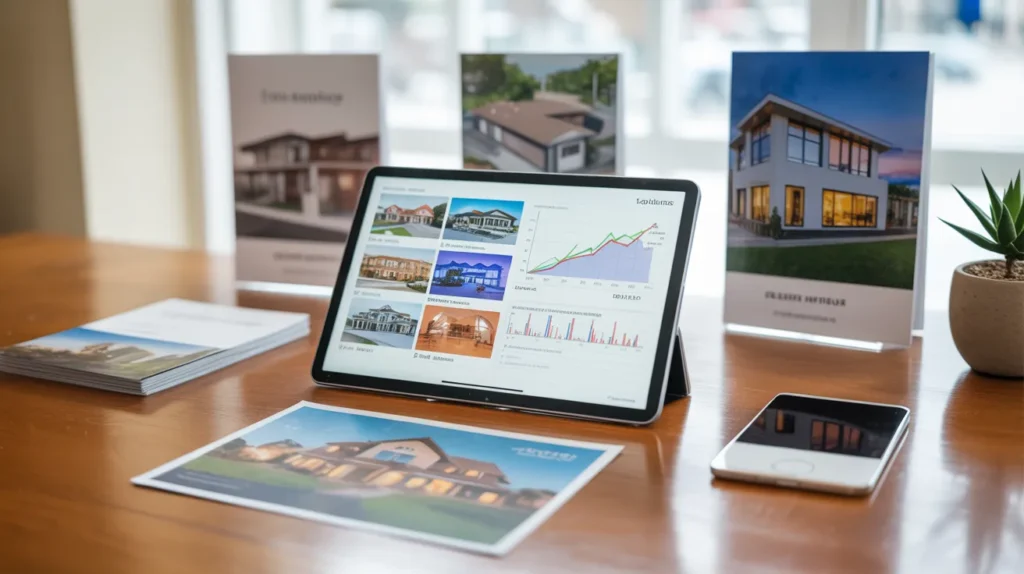
Content marketing helps agents showcase expertise and attract potential buyers. Blog posts, neighborhood guides, video tours, and infographics provide valuable information while promoting properties. Sharing success stories, market insights, and buying or selling tips positions agents as knowledgeable professionals.
High-quality content also improves SEO, drives website traffic, and increases social media engagement. Consistently publishing informative and engaging content builds trust and keeps clients returning for guidance.
How to Stand Out in a Competitive Property Market

With so many properties available online, standing out is essential for successful real estate marketing. High-quality photography, engaging property descriptions, and unique selling points help your listings capture attention.
Showcasing lifestyle benefits, nearby amenities, and recent upgrades adds value to your properties. Personalized outreach, interactive virtual tours, and creative marketing campaigns differentiate you from competitors. By presenting properties professionally and creatively, agents can attract more inquiries and close sales faster.
Hosting Events and Open Houses for Marketing Impact

Events and open houses remain effective tools to showcase properties and engage buyers. Hosting a well-organized open house allows potential buyers to explore the property firsthand and envision themselves living there. Community events, such as neighborhood tours or home buying seminars, position agents as local experts.
Promoting events through social media, email, and local advertising maximizes attendance and creates opportunities for direct interaction. Engaging buyers personally increases the likelihood of offers and strengthens client relationships.
Mobile Marketing Strategies for Real Estate Professionals

Mobile marketing is increasingly essential as buyers rely on smartphones to search for properties. Mobile-friendly websites, responsive emails, and social media campaigns ensure content is easily accessible on any device. SMS alerts for new listings, virtual tours, and interactive property maps provide instant engagement.
Mobile optimization enhances user experience, improves search engine rankings, and ensures agents can reach potential buyers anytime, anywhere. Implementing effective mobile strategies maximizes visibility and lead conversion.
Building Trust and Credibility with Prospective Buyers

Trust is the foundation of successful real estate transactions. Agents can build credibility by providing accurate property information, timely communication, and transparent pricing. Sharing client testimonials, case studies, and professional credentials reinforces authority.
Consistently delivering value through newsletters, market insights, and responsive service helps buyers feel confident in their decisions. Strong relationships built on trust increase repeat business, referrals, and overall sales success.
Real Estate Marketing for Commercial Properties

Marketing commercial properties requires a specialized approach. Highlighting business potential, location advantages, and investment value is essential. Digital listings, professional photography, and floor plans help buyers visualize the space.
Networking with commercial investors, brokers, and local business communities increases visibility. Utilizing industry-specific platforms and targeted campaigns ensures your commercial listings reach qualified buyers effectively.
Seasonal Marketing Tips for Property Sales

Seasonal trends affect buyer behavior and property marketing strategies. Spring and summer often attract first-time buyers, while fall may be ideal for investment-focused sales. Tailoring listings with seasonal photography, decor, and promotional campaigns enhances appeal.
Adjusting ad spend, hosting events, and timing open houses strategically aligns with buyer activity, maximizing engagement and increasing the likelihood of faster sales.
Incorporating Storytelling in Real Estate Marketing

Storytelling makes properties more relatable and memorable. Sharing the history of a home, highlighting unique features, or describing the lifestyle buyers can expect helps create emotional connections. Video tours, blog posts, and social media narratives can showcase stories effectively.
Storytelling not only differentiates listings but also helps buyers envision themselves in the space, driving higher interest and stronger engagement.
Future Trends in Real Estate Marketing

The real estate industry continues to evolve with emerging technologies and buyer expectations. AI-driven property recommendations, virtual reality tours, and predictive analytics are shaping the future of marketing. Sustainability-focused features, smart home technology, and personalized digital experiences will play a larger role.
Staying ahead of trends allows agents to remain competitive, attract modern buyers, and optimize marketing strategies for long-term success.
Social Media Advertising for Property Listings
Paid social media campaigns amplify property exposure. Platforms like Facebook and Instagram allow agents to target demographics, locations, and interests. Promoted posts, carousel ads, and story campaigns highlight key property features.
Regular monitoring, A/B testing, and budget optimization maximize ROI. Social media advertising complements organic strategies and increases the likelihood of connecting with serious buyers.
Search Engine Optimization (SEO) for Real Estate Websites
SEO improves website visibility and attracts organic traffic. Optimizing property listings, creating local content, and using relevant keywords help agents rank higher on search engines.
Incorporating meta descriptions, alt tags for images, and mobile-friendly design enhances performance. SEO ensures properties are discoverable, increasing lead generation and boosting overall marketing effectiveness.
Building Long-Term Relationships with Clients

Sustainable success in real estate depends on long-term client relationships. Following up after sales, providing market updates, and offering valuable advice foster loyalty.
Satisfied clients are more likely to provide referrals, repeat business, and positive reviews. Strong relationships not only boost reputation but also create a consistent source of leads and long-term growth.
Final Thoughts
Effective real estate marketing is a combination of strategy, creativity, and consistent effort. By understanding the basics, leveraging technology, and building a strong brand, agents can attract the right buyers and close sales faster. Digital tools like social media, email campaigns, video tours, and SEO provide unparalleled reach, while traditional methods, local networking, and community engagement remain important.
Tracking performance, learning from analytics, and adapting to market trends ensures continuous improvement. Ultimately, successful real estate marketing is about creating value, building trust, and forming lasting relationships with clients, which not only drives property sales but also establishes long-term credibility and growth in the competitive real estate market.