

Introduction
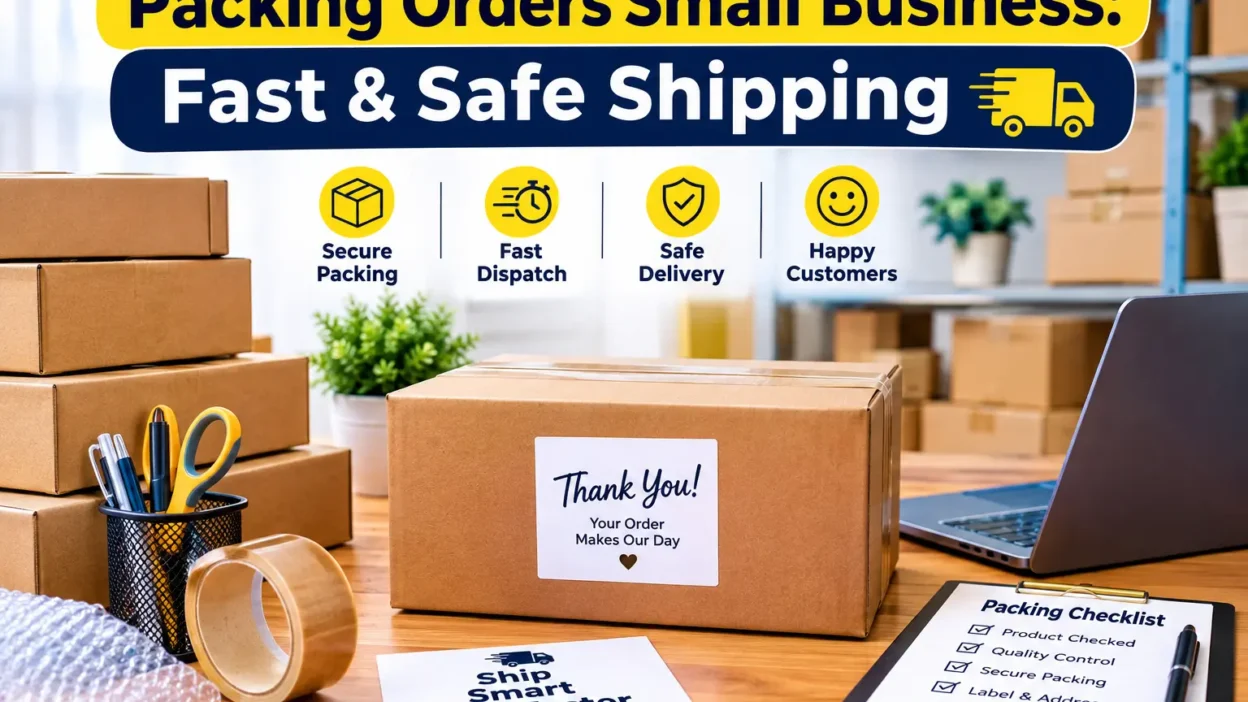
Running a Packing Orders Small Business means every order you ship represents your brand. Customers expect their purchases to arrive quickly, safely, and in excellent condition, making the packing process just as important as the product itself. A well-packed order reduces the risk of damage during transit, lowers return rates, and creates a positive unboxing experience that encourages repeat purchases and positive reviews.
Packing orders for a small business involves more than placing products in a box. It requires selecting the right packaging materials, protecting items from impact, choosing the correct box or mailer size, and ensuring every shipment is labeled accurately.
What Is Order Packing in a Small Business?

Small buisness packing order is the process of preparing customer purchases for safe and accurate shipping. It includes selecting the right packaging, protecting products from damage, adding shipping labels, and ensuring that every item in the order is correct before it is dispatched.
For small businesses, order packing is a key part of the customer experience because the quality of the packaging reflects the professionalism of the brand. A well-packed order helps reduce shipping damage, minimizes returns, and leaves customers with a positive impression when they receive their package.
Benefits of a Well-Planned Packing Process

A well-organized packing process improves both efficiency and customer satisfaction. When every order follows the same packing procedure, employees spend less time searching for materials or correcting mistakes. This leads to faster order fulfillment, fewer shipping errors, and lower operational costs.
A consistent packing workflow also protects products during transit, helping businesses avoid unnecessary replacements and refunds. In addition, professionally packed orders enhance a company’s reputation, encourage repeat purchases, and increase the likelihood of positive customer reviews.
How to Choose the Right Box Size for Every Order

Selecting the correct box size is essential for protecting products and controlling shipping costs. A box that is too small may place pressure on the contents, while an oversized box allows products to move around, increasing the risk of damage. The ideal box should provide enough space for protective materials such as bubble wrap, kraft paper, or air cushions without leaving excessive empty space.
Businesses should also consider the product’s weight, dimensions, and fragility when choosing packaging. Using the right-sized box reduces material waste, lowers shipping expenses, and creates a more professional appearance.
Different Types of Packaging Materials Explained

Small businesses can choose from a variety of packaging materials depending on the products they sell. Corrugated cardboard boxes are commonly used because they offer excellent protection for most items during shipping. Padded mailers are suitable for lightweight products such as clothing, books, and accessories, while poly mailers provide a cost-effective solution for non-fragile goods.
Protective materials such as bubble wrap, packing paper, foam inserts, and air pillows help prevent movement and absorb shocks during transportation. Eco-friendly alternatives, including recycled paper fillers and biodegradable packaging, are also becoming popular among businesses that want to reduce their environmental impact while maintaining product safety.
How to Measure Packaging Efficiency
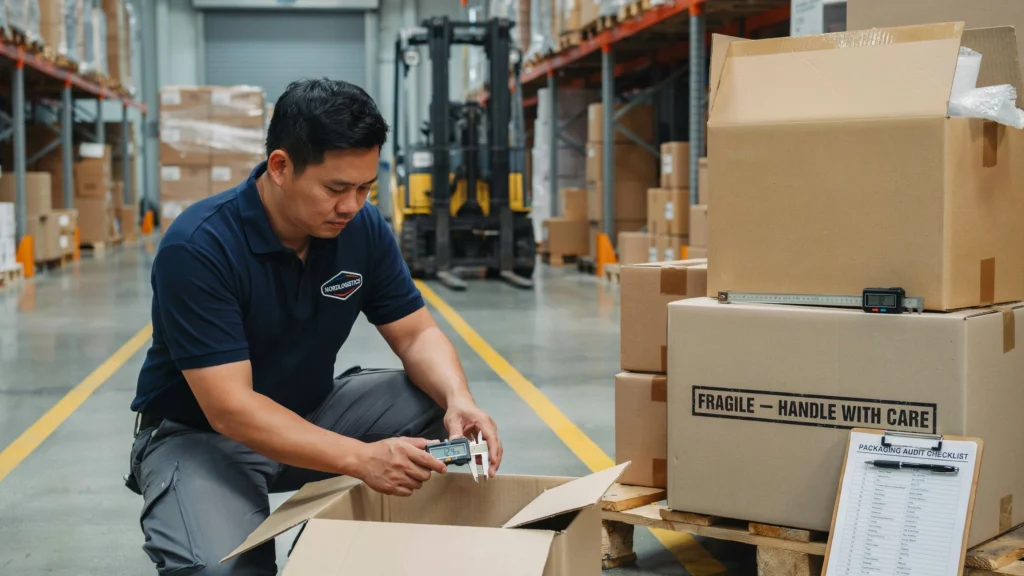
Packaging efficiency can be measured by evaluating how well the packing process balances speed, cost, and product protection. Businesses should monitor factors such as packing time per order, packaging material usage, shipping costs, damage rates, return rates, and customer feedback.
If orders are consistently packed quickly without increasing product damage or packaging expenses, the process is considered efficient. Regularly reviewing these performance indicators helps identify opportunities to improve workflows, reduce waste, and maintain a high standard of order fulfillment as the business grows.
Creating a Packing Checklist for Every Shipment
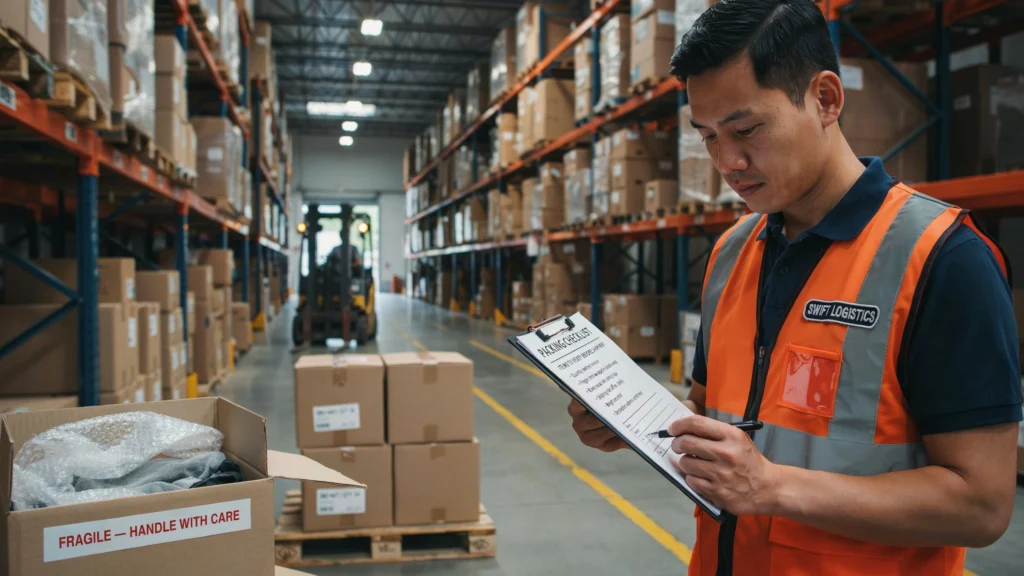
A packing checklist helps ensure that every order is prepared accurately before it leaves your business. The checklist should include verifying the customer’s order, inspecting each product for defects, selecting the correct packaging, adding protective materials, including invoices or packing slips if needed, sealing the package securely, and attaching the correct shipping label.
Following a standardized checklist reduces human error, improves order accuracy, and ensures a consistent packing process. For growing small businesses, a packing checklist is an effective way to maintain quality while handling a larger volume of shipments.
The Best Ways to Minimize Shipping Damage
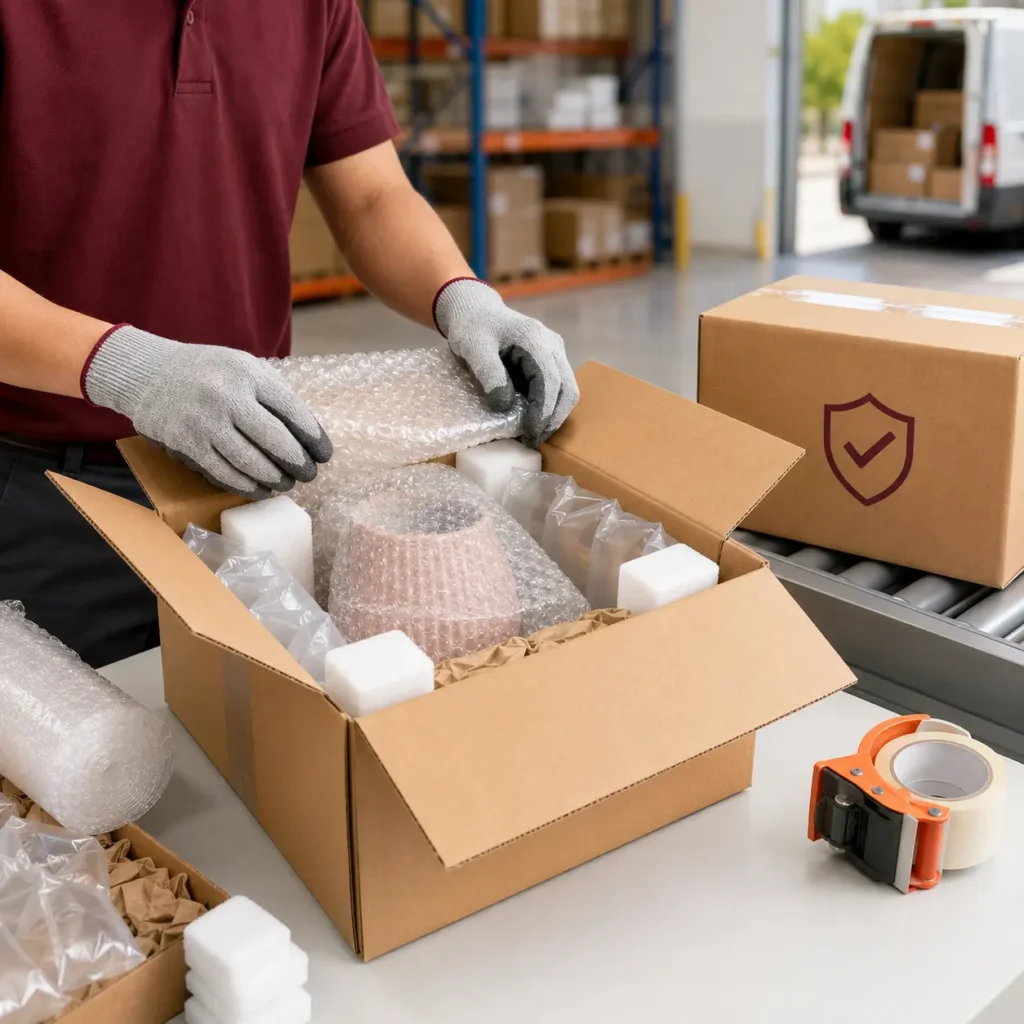
Reducing shipping damage starts with choosing packaging that matches the product’s size, weight, and level of fragility. Items should be wrapped securely and surrounded with protective materials to prevent movement during transit. Empty spaces inside the package should be filled with cushioning materials to absorb shocks and vibrations.
Strong packing tape should be used to seal all openings, and fragile items should be clearly identified when appropriate. Regularly testing packaging methods and reviewing damaged shipments can help businesses improve their packing techniques and reduce future losses.
How to Pack Products Based on Their Category
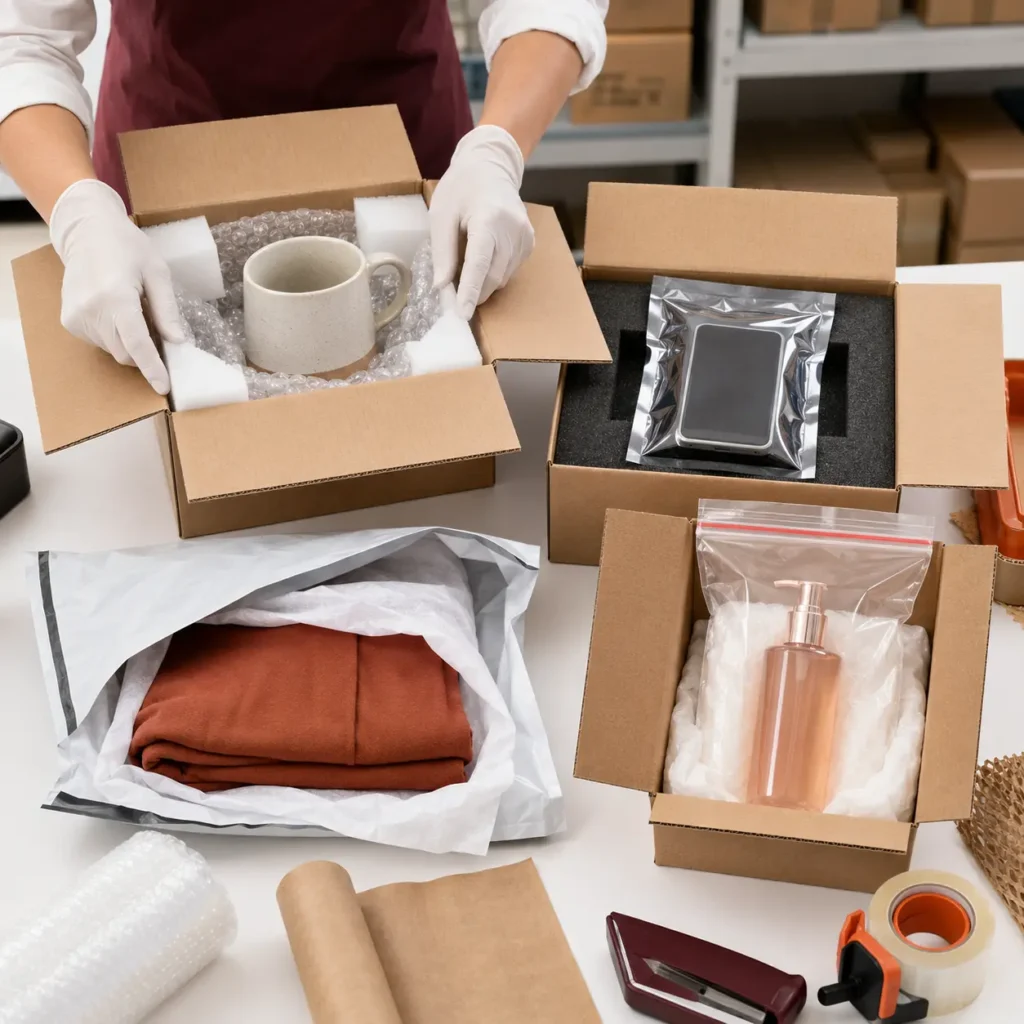
Different product categories require different packing methods to ensure they arrive safely. Clothing and textiles can usually be packed in poly mailers or padded envelopes, while electronics require anti-static protection and additional cushioning. Glassware, ceramics, and other fragile products should be wrapped individually with bubble wrap and placed inside sturdy corrugated boxes with protective fillers.
Cosmetics and liquid products should be sealed tightly to prevent leaks, while handmade or luxury items often benefit from premium packaging that enhances the customer’s unboxing experience. Choosing packaging based on product characteristics improves protection and helps create a professional presentation.
Using Protective Fillers the Right Way
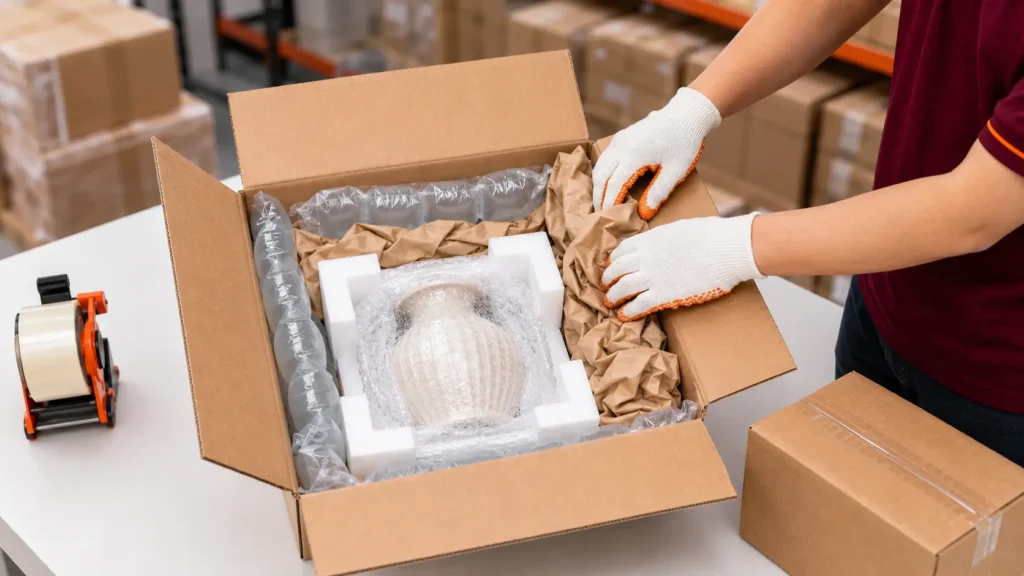
Protective fillers play an important role in preventing products from shifting or breaking during shipping. Materials such as bubble wrap, kraft paper, foam inserts, air pillows, and biodegradable packing peanuts provide cushioning that absorbs impact throughout the delivery process.
The amount of filler should match the available space inside the package without putting excessive pressure on the product. Combining different types of fillers may offer better protection for fragile or irregularly shaped items. Using fillers correctly not only reduces damage but also improves customer confidence in your packaging quality.
When to Use Boxes, Mailers, or Poly Bags
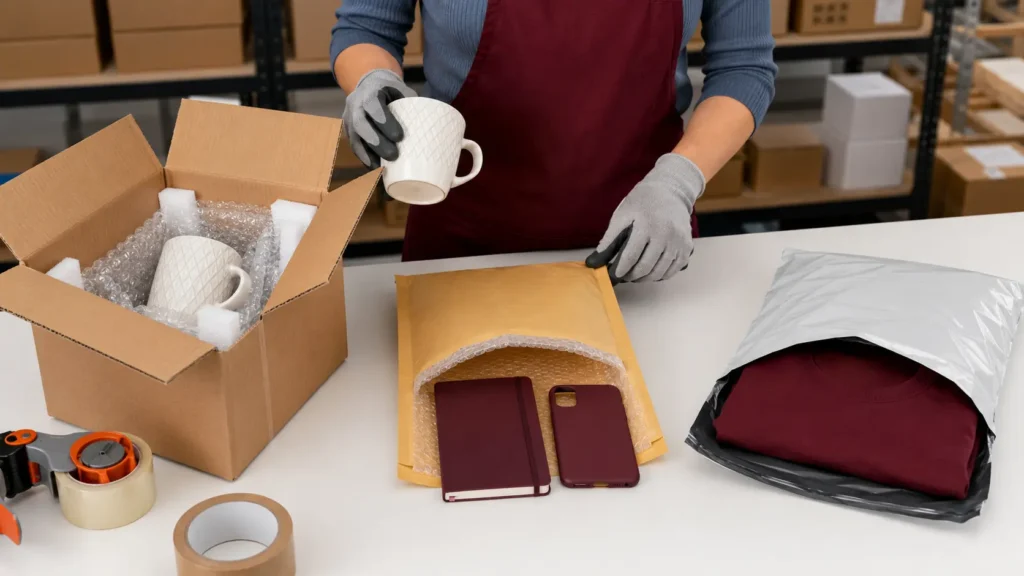
Selecting the right type of packaging depends on the product being shipped. Corrugated boxes are ideal for heavy, fragile, or high-value items because they provide strong structural support and allow room for protective cushioning. Padded mailers are suitable for lightweight products that need moderate protection, such as books, accessories, or small electronic items.
Poly bags are commonly used for clothing, soft textiles, and other non-fragile products because they are lightweight, moisture-resistant, and cost-effective. Choosing the appropriate packaging option helps reduce shipping costs while ensuring products reach customers in excellent condition.
How to Make Every Package Look Professional
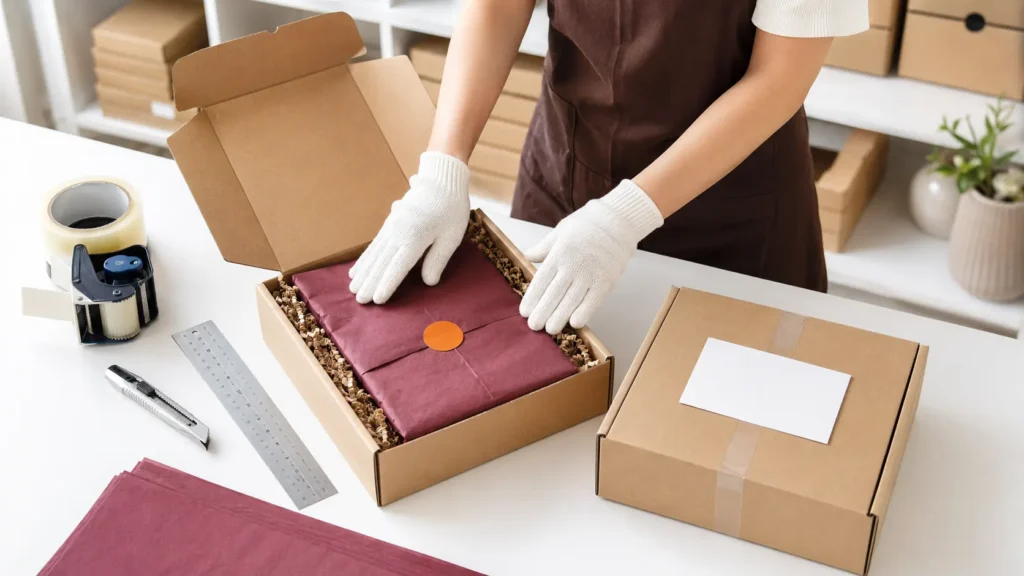
Professional packaging creates a strong first impression and helps build trust with customers. Using clean, sturdy packaging materials, neatly folded tissue paper, and high-quality packing tape can make every shipment look organized and reliable.
Adding branded elements such as custom boxes, stickers, or printed labels reinforces your business identity and makes your packages more memorable. Consistent packaging across all orders also reflects attention to detail and demonstrates that your business values quality. Even simple improvements in presentation can enhance the overall customer experience and encourage repeat purchases.
Simple Packaging Upgrades That Delight Customers
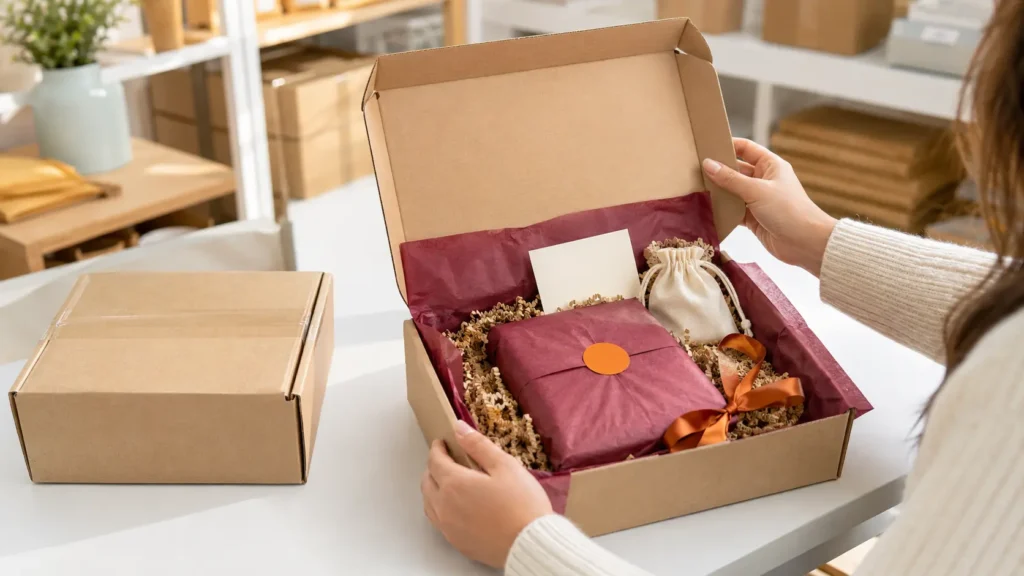
Small packaging upgrades can make a significant difference without adding substantial costs. Wrapping products in tissue paper, sealing them with branded stickers, or tying them with decorative ribbon creates a premium unboxing experience. Including reusable packaging, eco-friendly materials, or attractive product presentation also adds value for customers.
Personalized touches, such as handwritten notes or branded thank-you messages, help customers feel appreciated. These thoughtful upgrades can increase customer satisfaction, strengthen brand loyalty, and encourage buyers to share their purchases on social media.
How to Include Thank-You Cards and Promotional Inserts
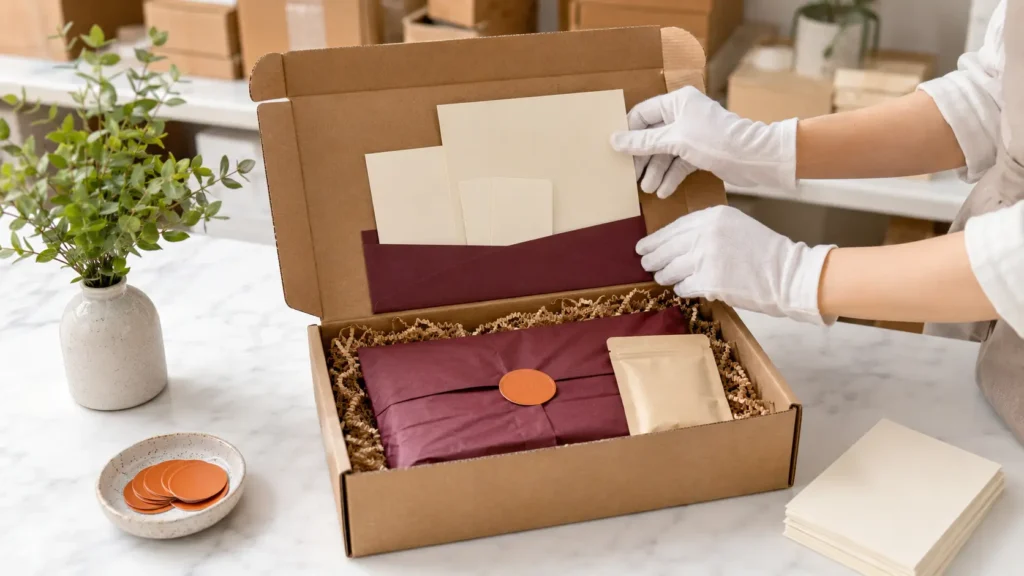
Thank-you cards and promotional inserts are effective tools for building stronger customer relationships. A simple thank-you message shows appreciation for the customer’s purchase and adds a personal touch to every order. Promotional inserts can introduce new products, provide discount codes for future purchases, or encourage customers to join a loyalty program.
Businesses may also include QR codes that direct customers to their website, product guides, or social media pages. The inserts should be informative, visually appealing, and compact enough to fit neatly inside the package without interfering with product protection.
Packing Orders Faster Without Hiring More Staff
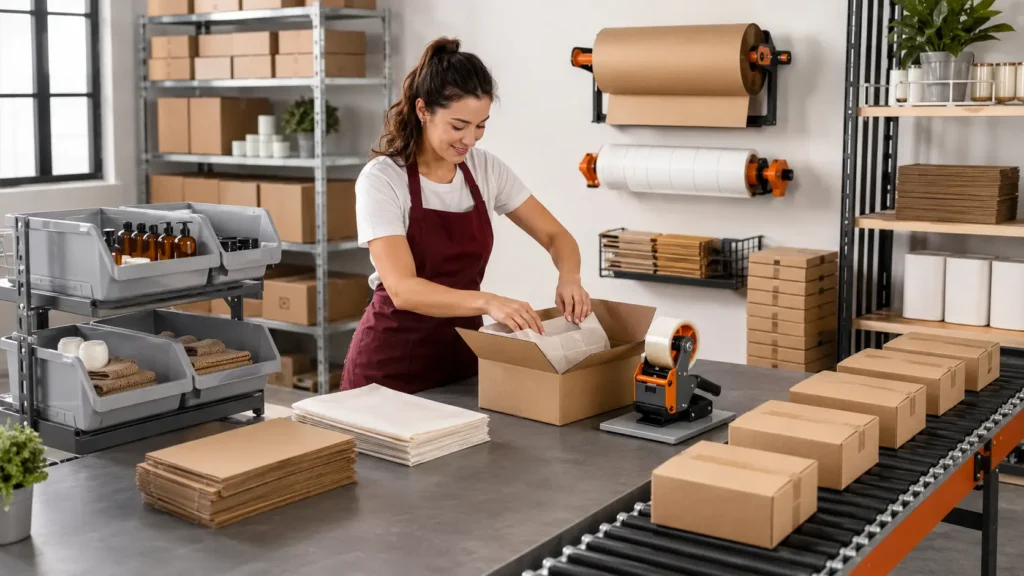
Small businesses can improve packing speed by optimizing their workflow instead of increasing labor costs. Frequently used packing supplies should be stored within easy reach, and products should be organized according to order frequency. Standardizing packaging sizes for popular products reduces decision-making time and simplifies the packing process. Preparing shipping labels in advance and using a consistent packing routine also improves efficiency. Regularly reviewing the workflow and eliminating unnecessary steps enables businesses to process more orders while maintaining packing accuracy and product safety.
Inventory Organization Tips for Faster Packing
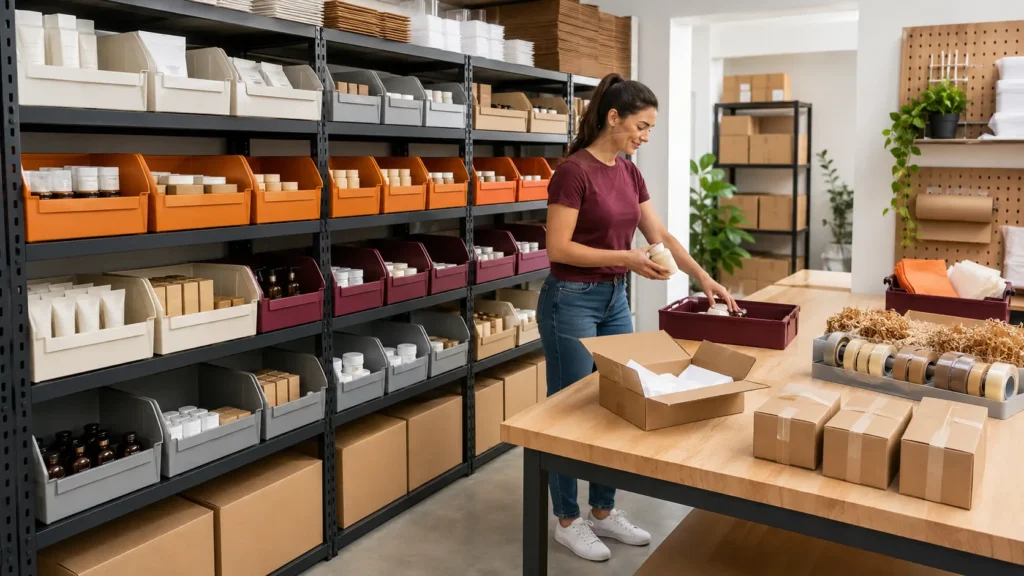
Well-organized inventory is essential for efficient order fulfillment. Products should be arranged into clearly labeled categories based on type, size, or sales volume so they can be located quickly. High-demand items are best stored near the packing station to reduce travel time during order preparation.
Shelving systems, storage bins, and barcode labels help maintain accurate inventory records and improve accessibility. Performing regular inventory checks prevents stock discrepancies and ensures products are always available when orders are received. An organized inventory system supports faster packing, reduces errors, and improves overall operational efficiency.
How to Avoid Overpacking and Under packing
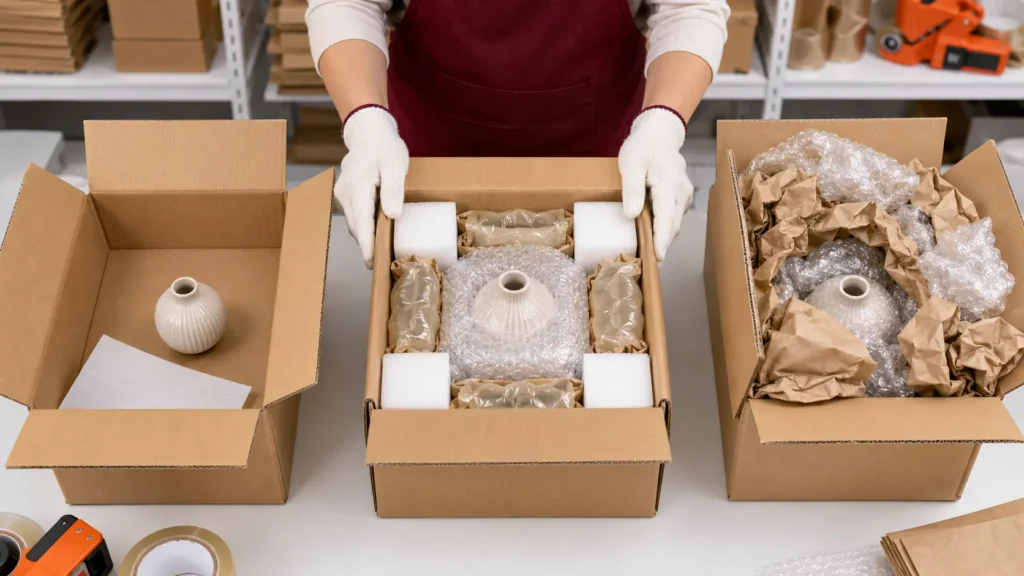
Finding the right balance between protection and efficiency is essential when packing customer orders. Overpacking uses unnecessary materials, increases shipping weight, and raises packaging costs, while underpacking leaves products vulnerable to damage during transit.
The best approach is to choose packaging that fits the product properly and use only the amount of cushioning needed to prevent movement inside the package. Testing different packaging methods and monitoring customer feedback can help identify the most effective solution. A balanced packing strategy reduces waste, controls expenses, and ensures products arrive safely.
Packing Solutions for Handmade and Custom Products
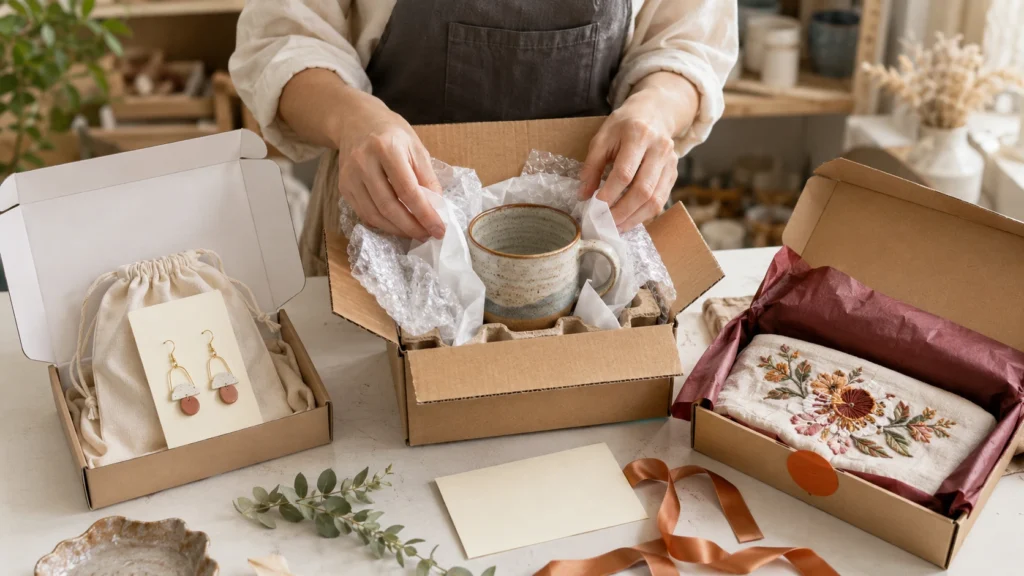
Handmade and custom products often require extra care because they are unique and may be difficult to replace. Each item should be wrapped individually using protective materials that prevent scratches, dents, or breakage during shipping.
Custom-made products can also benefit from premium presentation, such as tissue paper, branded boxes, or personalized labels that reflect the craftsmanship behind the item. If the product contains delicate components, additional cushioning should be added to keep it secure throughout transportation. Well-designed packaging protects the product while creating a memorable unboxing experience for customers.
Packaging Tips for Clothing, Jewelry, and Accessories

Different fashion products require different packaging methods to maintain their quality during shipping. Clothing should be neatly folded and placed inside moisture-resistant poly mailers or recyclable boxes to protect it from dust and water. Jewelry should be stored in small jewelry boxes or soft pouches with cushioning to prevent scratches and tangling.
Accessories such as belts, handbags, sunglasses, and watches should be wrapped carefully and secured with protective materials to avoid damage during transit. Choosing packaging that matches the product type helps maintain product quality and enhances the customer’s overall shopping experience.
How to Prepare Orders During Holiday Sales
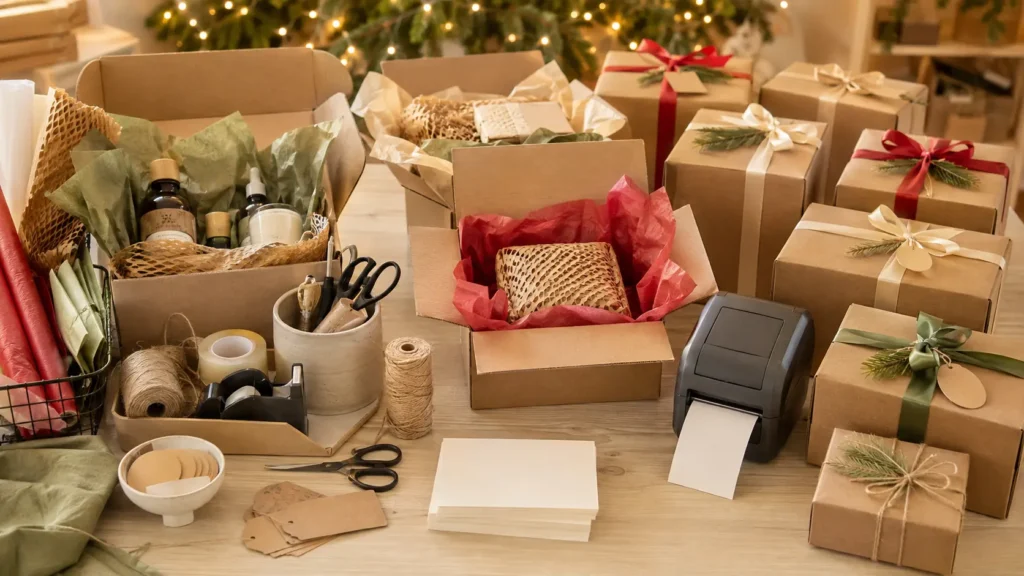
Holiday seasons often bring a significant increase in order volume, making preparation essential for maintaining fast and accurate shipping. Businesses should stock sufficient packaging materials, organize inventory in advance, and prepare frequently used box sizes before peak sales begin. Creating a standardized packing process and assigning specific tasks can improve efficiency during busy periods.
Printing shipping labels in batches and keeping the packing station fully supplied also helps reduce delays. Planning ahead allows small businesses to handle seasonal demand while maintaining excellent customer service and on-time deliveries.
Reducing Waste with Smart Packaging Choices

Reducing packaging waste benefits both businesses and the environment. Selecting right-sized packaging minimizes the need for excess fillers and lowers shipping costs. Recyclable cardboard boxes, paper-based cushioning, compostable mailers, and biodegradable packaging materials provide environmentally friendly alternatives to traditional plastic packaging.
Businesses can also reduce waste by purchasing packaging supplies in appropriate quantities and reusing clean shipping materials whenever practical. Smart packaging choices improve sustainability, lower operational costs, and appeal to customers who value environmentally responsible business practices.
How to Test Your Packaging Before Shipping
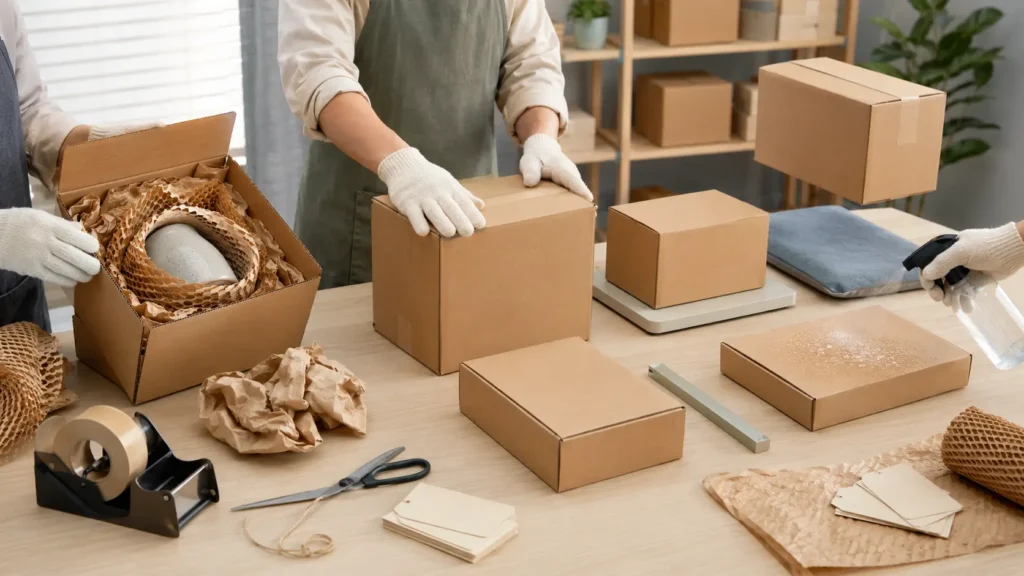
Testing your packaging before shipping helps ensure that products can withstand the challenges of transportation. A simple inspection should confirm that the product fits securely inside the package and does not move excessively when shaken. Businesses can also perform basic drop tests from different heights to evaluate whether the packaging provides sufficient protection against impacts.
Checking the strength of box seals, protective fillers, and packaging materials helps identify weaknesses before products reach customers. Regular packaging tests reduce the risk of shipping damage and improve customer satisfaction by ensuring products arrive in excellent condition.
Creating a Standard Operating Procedure (SOP) for Packing
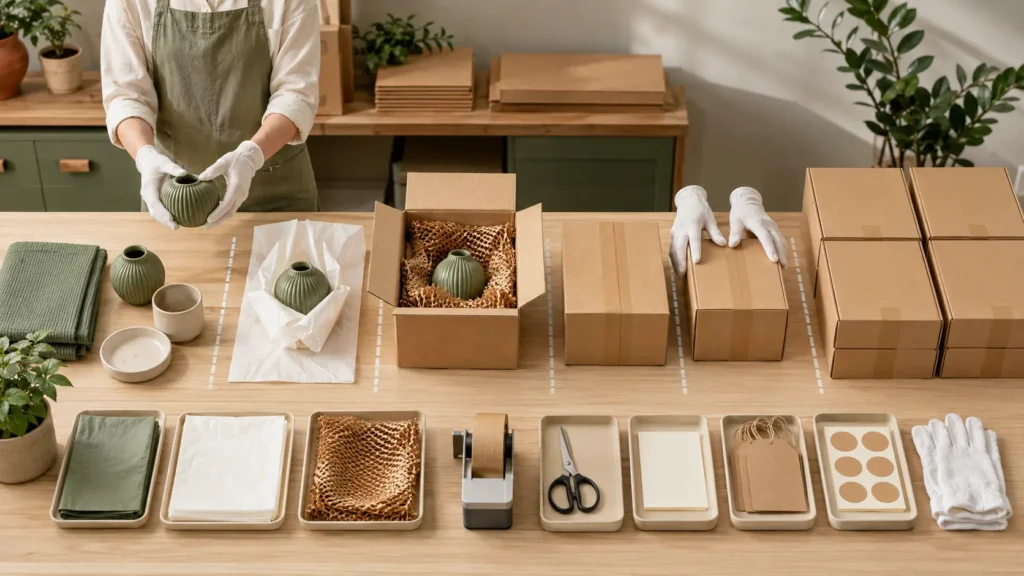
A Standard Operating Procedure (SOP) provides clear instructions for every step of the packing process, ensuring consistency across all shipments. The SOP should outline how to verify customer orders, select appropriate packaging materials, protect products, seal packages securely, and apply shipping labels correctly.
It should also include quality control checks before dispatching each order. Having a documented packing procedure makes employee training easier, reduces mistakes, and maintains a consistent level of service as the business grows. Regularly updating the SOP helps businesses adapt to new products, packaging materials, and shipping requirements.
Packing Supplies You Should Always Keep in Stock
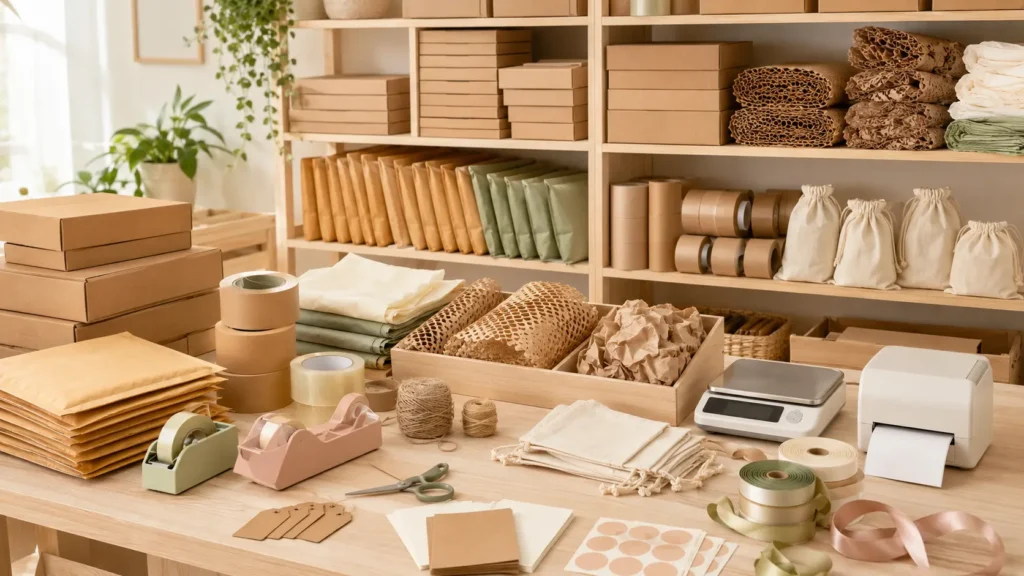
Maintaining an adequate supply of packing materials prevents delays in order fulfillment and keeps the shipping process running smoothly. Essential supplies include corrugated boxes, poly mailers, padded envelopes, bubble wrap, packing paper, air pillows, packing tape, shipping labels, label holders, scissors, utility knives, and permanent markers.
Businesses should also keep extra protective fillers and packaging inserts available for fragile or premium products. Monitoring inventory levels and reordering supplies before they run low helps avoid interruptions during busy sales periods and ensures every order can be packed efficiently.
How Technology Can Improve Your Packing Workflow
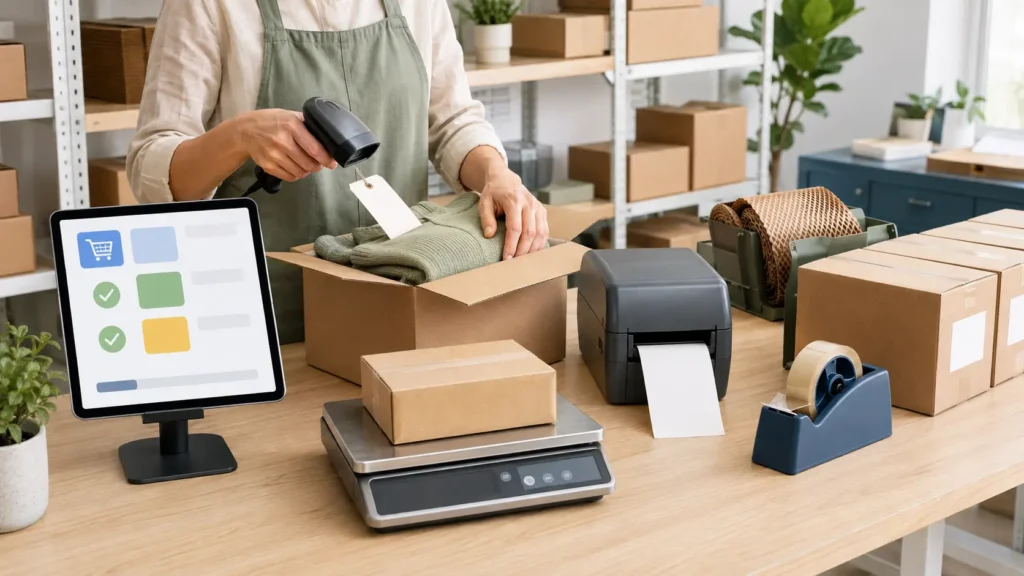
Technology can significantly improve the speed, accuracy, and efficiency of order packing. Inventory management software helps track stock levels in real time, reducing the risk of packing unavailable products. Barcode scanners minimize picking errors by verifying items before they are packed, while shipping software can automatically generate labels, calculate shipping rates, and update tracking information.
Businesses that integrate their e-commerce platform with inventory and shipping systems can streamline the entire fulfillment process, reduce manual work, and process orders more quickly. Adopting the right technology allows small businesses to scale operations while maintaining accurate and reliable order fulfillment.
How to Test Your Packaging Before Shipping
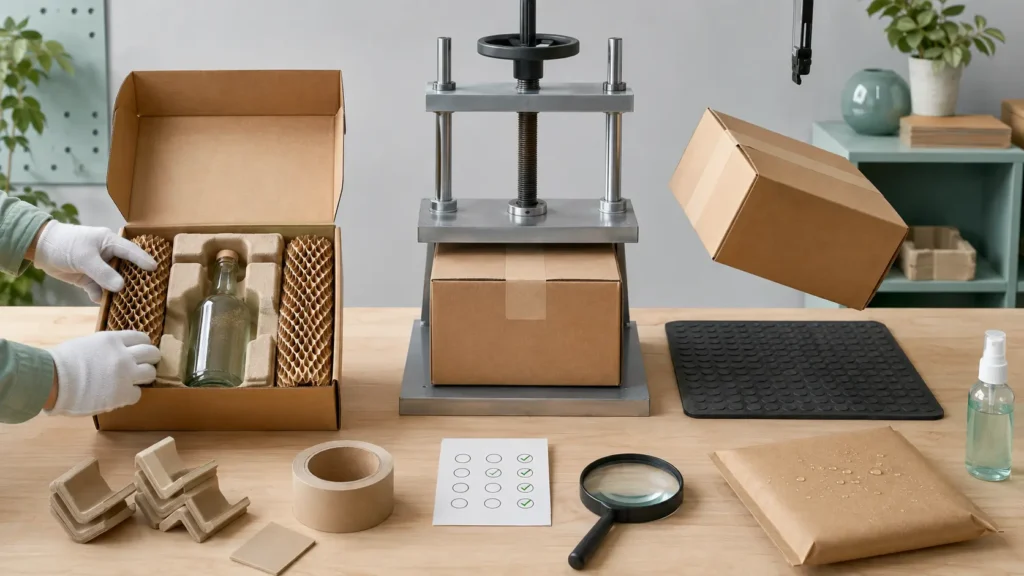
Testing your packaging before shipping helps ensure that products remain protected throughout the delivery journey. Begin by checking whether the item fits securely inside the package without excessive movement. Perform simple shake and drop tests to see if the cushioning materials provide enough protection against impacts.
Inspect the strength of the box, tape, and seals to confirm they can withstand handling during transportation. Reviewing customer feedback and monitoring damaged shipments can also help identify areas where packaging needs improvement. Regular testing allows small businesses to reduce product damage, lower return rates, and maintain customer satisfaction.
Creating a Standard Operating Procedure (SOP) for Packing
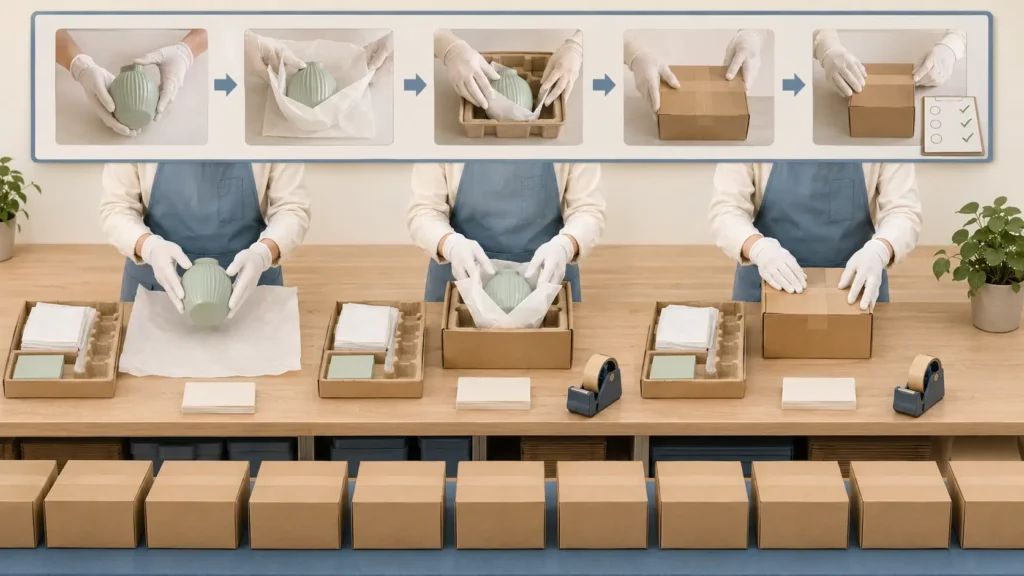
A Standard Operating Procedure (SOP) is a documented set of instructions that standardizes the packing process for every order. It should explain how to verify customer orders, select the correct packaging materials, wrap products securely, apply shipping labels, and complete final quality checks before dispatch.
An SOP ensures that every employee follows the same workflow, reducing mistakes and improving consistency. It also simplifies employee training and helps maintain high packing standards as the business expands. Regularly reviewing and updating the SOP keeps the packing process efficient and aligned with changing business needs.
Packing Supplies You Should Always Keep in Stock
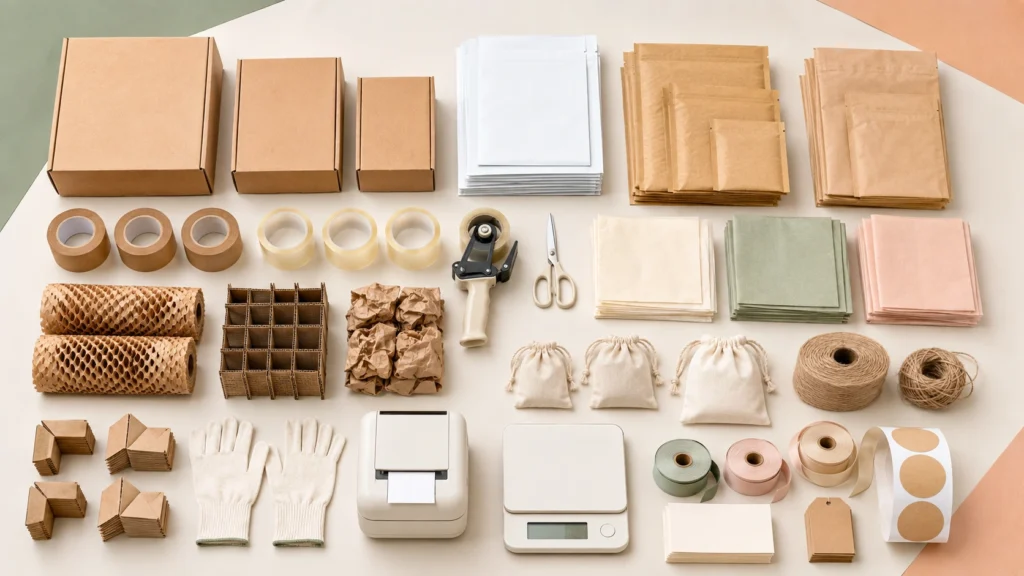
Keeping essential packing supplies readily available prevents delays in order fulfillment and helps maintain a smooth shipping process. Every small business should stock corrugated boxes, poly mailers, padded envelopes, bubble wrap, kraft paper, packing tape, air pillows, shipping labels, label printers or markers, scissors, utility knives, and protective fillers.
Businesses that sell fragile or premium products should also keep foam inserts, tissue paper, and branded packaging materials on hand. Monitoring supply levels and reordering before inventory runs low ensures that orders can always be packed without interruption.
How Technology Can Improve Your Packing Workflow
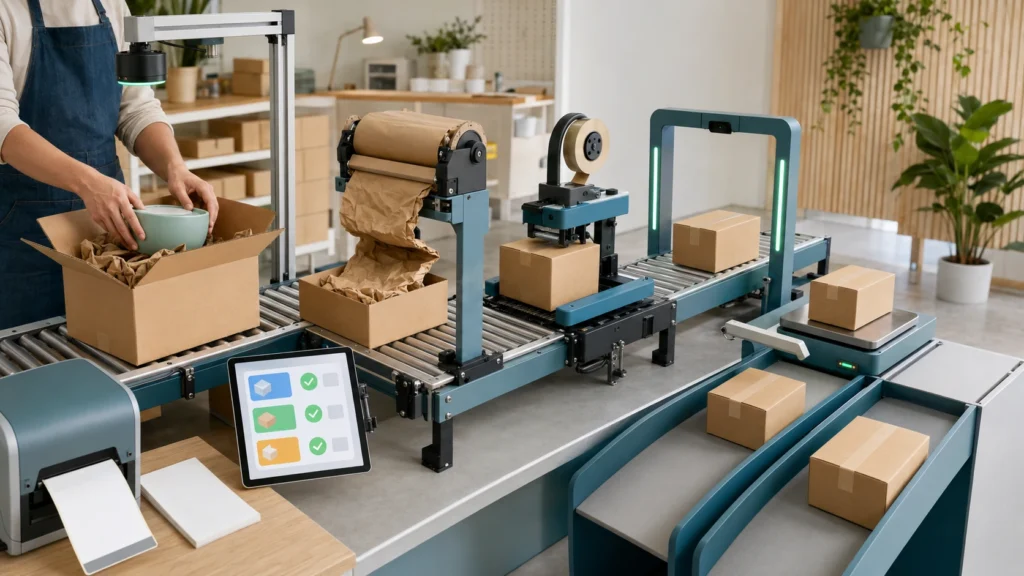
Technology makes order packing faster, more accurate, and easier to manage. Inventory management software tracks stock levels in real time, reducing the chances of packing unavailable items. Barcode scanners verify products before packing, helping prevent picking errors. Shipping software can automatically generate labels, compare carrier rates, and provide tracking information, saving valuable time.
Integrating e-commerce platforms with inventory and shipping systems eliminates repetitive manual tasks and streamlines the fulfillment process. By using technology effectively, small businesses can increase productivity while maintaining high packing accuracy.
Quality Control Checks Before Sealing a Package
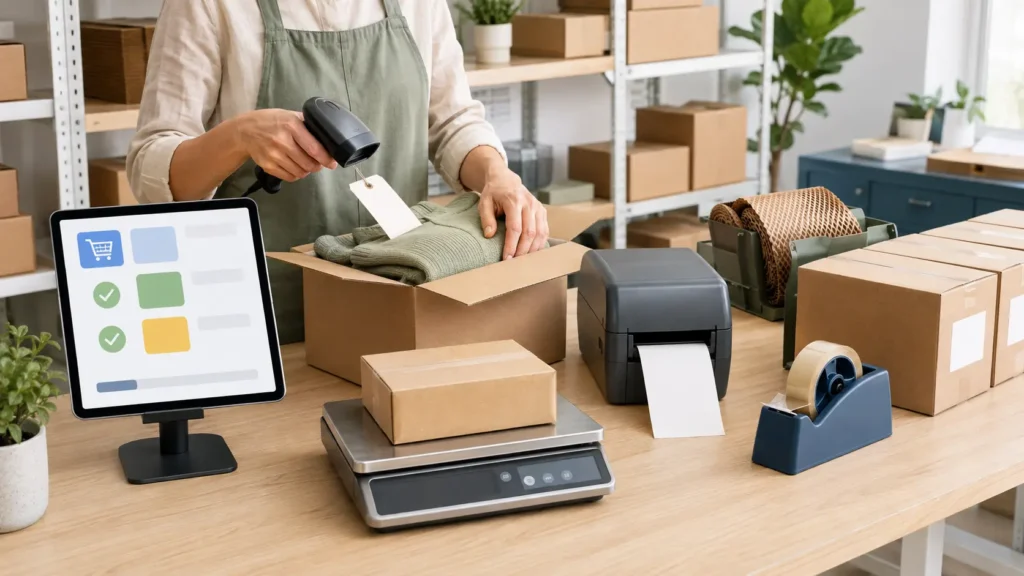
Performing quality control checks before sealing a package helps ensure that every shipment meets customer expectations. Verify that the correct products, quantities, sizes, and colors match the customer’s order. Inspect each item for defects, scratches, or missing components before placing it inside the package.
Confirm that sufficient protective materials have been used and that the shipping label contains accurate delivery information. Finally, check that the package is securely sealed with strong packing tape. These final inspections reduce shipping errors, minimize returns, and improve customer confidence in your business.
Signs It’s Time to Upgrade Your Packaging Process
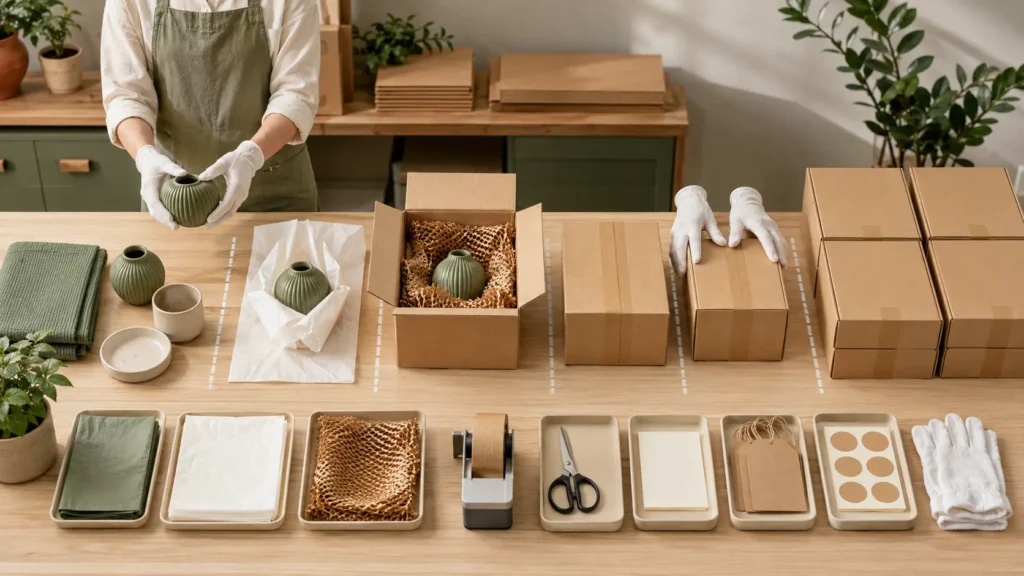
As a small business grows, the existing packaging process may become less efficient. Frequent shipping errors, increasing product damage, slower order fulfillment, rising packaging costs, and negative customer feedback are all signs that improvements are needed.
Businesses may also notice that employees spend too much time searching for supplies or repacking damaged items. Upgrading to better packaging materials, reorganizing the packing station, introducing automation, or implementing standardized procedures can improve efficiency and support future business growth.
How Packaging Influences Customer Reviews

Packaging plays a significant role in shaping a customer’s overall shopping experience. A clean, secure, and attractive package demonstrates professionalism and reassures customers that their purchase has been handled with care. Products that arrive undamaged and well-presented are more likely to receive positive reviews and recommendations.
On the other hand, poor packaging that results in damaged items or an untidy presentation can lead to complaints and lower ratings. Investing in reliable packaging not only protects products but also strengthens customer trust and encourages repeat business.
Scaling Your Packing Process as Your Business Grows
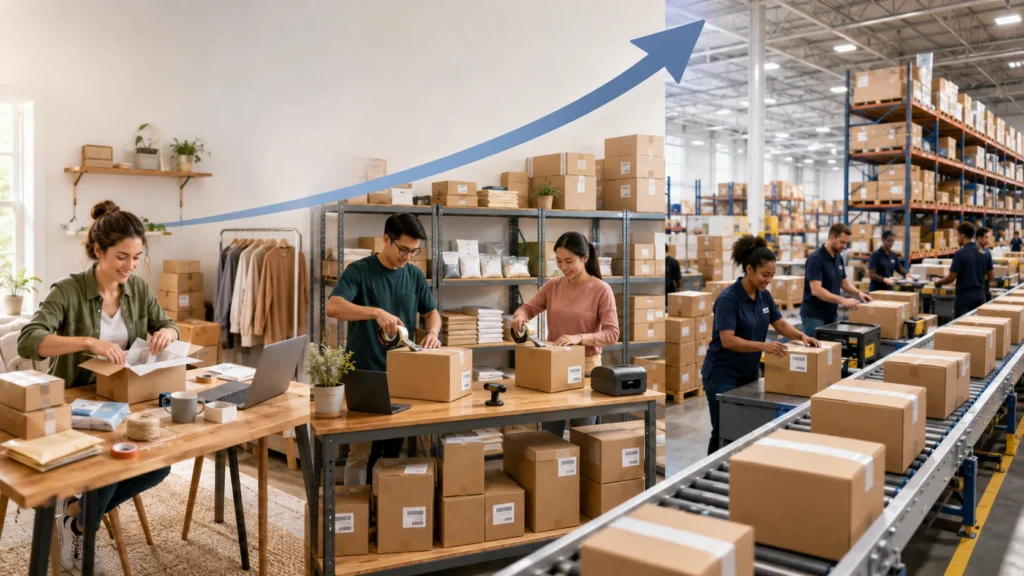
As order volume increases, businesses need a packing process that can handle higher demand without sacrificing quality or speed. Standardizing packaging methods, organizing inventory efficiently, and using commonly sized boxes for popular products can significantly improve productivity. Investing in packing stations, label printers, barcode systems, and inventory management software further streamlines operations.
Training employees with clear packing procedures and regularly reviewing workflow performance ensures consistent results. A scalable packing process allows small businesses to meet growing customer demand while maintaining accurate, efficient, and professional order fulfillment.
Final Thoughts
Packing orders efficiently is an essential part of running a successful small business. A well-organized packing process protects products during shipping, reduces operational costs, and creates a positive customer experience that encourages repeat purchases.
From selecting the right packaging materials and using proper protective fillers to implementing quality control checks and improving workflow with technology, every step contributes to faster, safer, and more reliable order fulfillment.
As your business grows, regularly reviewing and refining your packaging process will help you adapt to increasing order volumes while maintaining high standards.