
Introduction
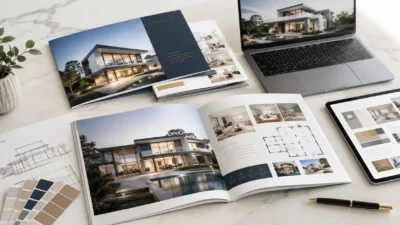
Creating a real estate vision board is a powerful way to turn your dream home ideas into a clear and motivating plan. Everyone has a picture in mind of the perfect home, whether it is a cozy apartment, a modern family house, a luxury villa, or a peaceful property in a beautiful location.
However, dreams can feel confusing when they are only in your mind. A real estate vision board helps you collect your thoughts, images, goals, and inspirations in one place so you can clearly see what you want to achieve.
What Is a Real Estate Vision Board?
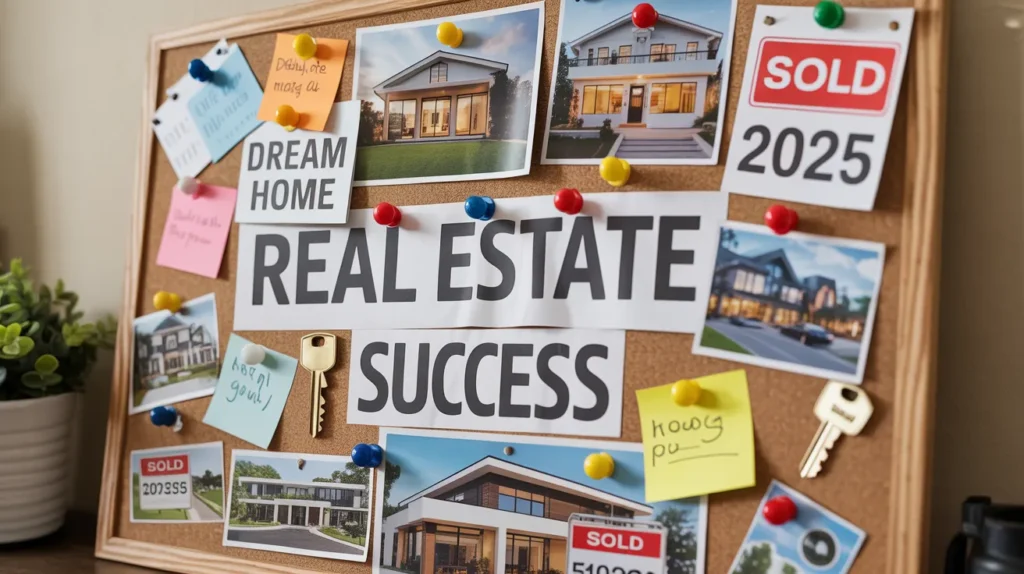
A real estate vision board is a collection of images, words, quotes, goals, and design ideas related to your dream home or property goals. It can be created physically on a board or digitally using online tools like Pinterest, Canva, or a simple photo collage app.
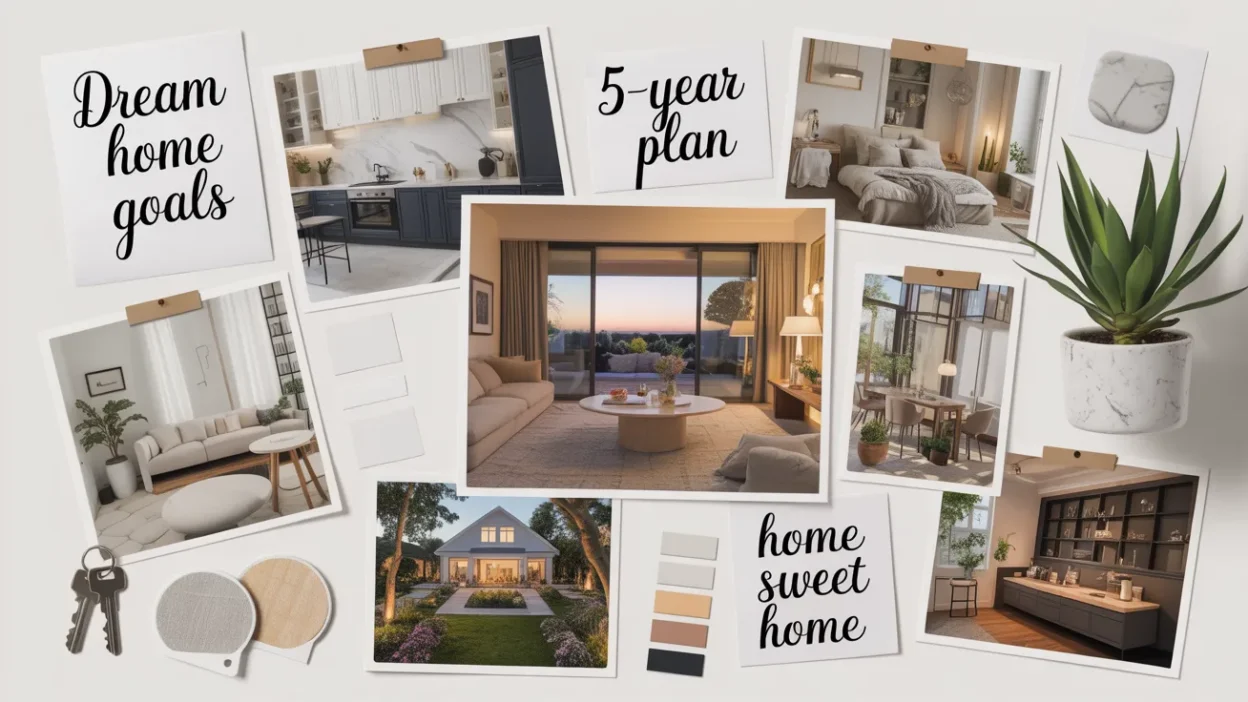
The main purpose of a real estate vision board is to help you visualize your future home. You can add pictures of your favorite home styles, rooms, gardens, kitchens, locations, furniture, color themes, and even financial goals. It gives your dream a visual shape and makes your goal feel more real.
For example, if you want a modern home with large windows, a peaceful backyard, a white kitchen, and a cozy living room, you can collect images that match this vision. Over time, this board becomes a source of motivation and direction.
Why a Real Estate Vision Board Matters
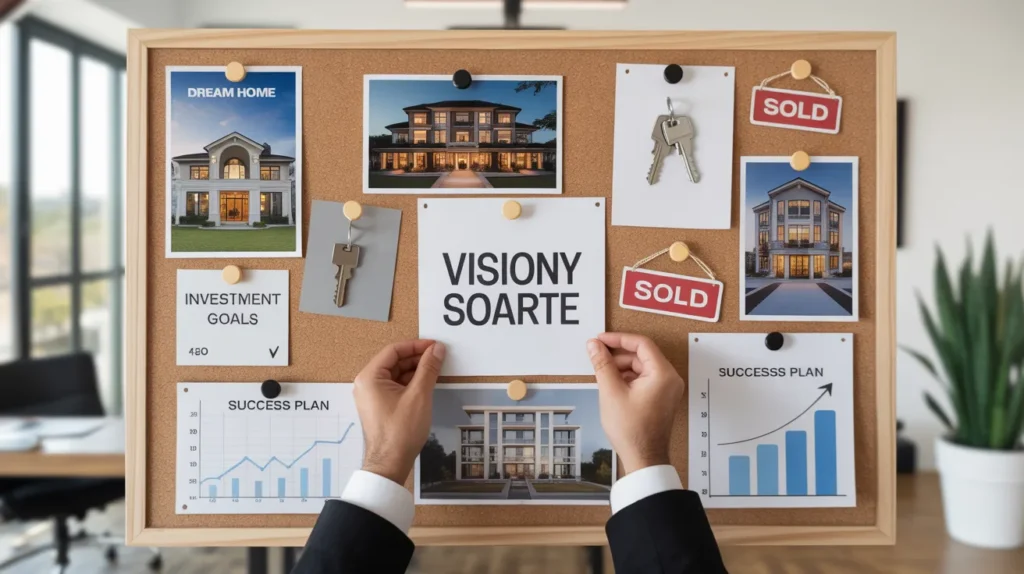
A dream home journey can sometimes feel overwhelming. There are many things to think about, such as budget, location, design, property type, savings, mortgage, family needs, and lifestyle preferences. A vision board helps you organize all these ideas in a simple and visual way.
When your goals are visible, they become easier to remember and follow. Instead of only saying, “I want a beautiful home,” your vision board shows exactly what that beautiful home looks like. This clarity helps you make better decisions when searching for property, planning your budget, or choosing home designs.
A real estate vision board also keeps you emotionally connected to your goal. On difficult days, when saving money or making decisions feels hard, your board can remind you why you started your dream home journey in the first place.
How a Vision Board Helps You Stay Focused on Home Goals
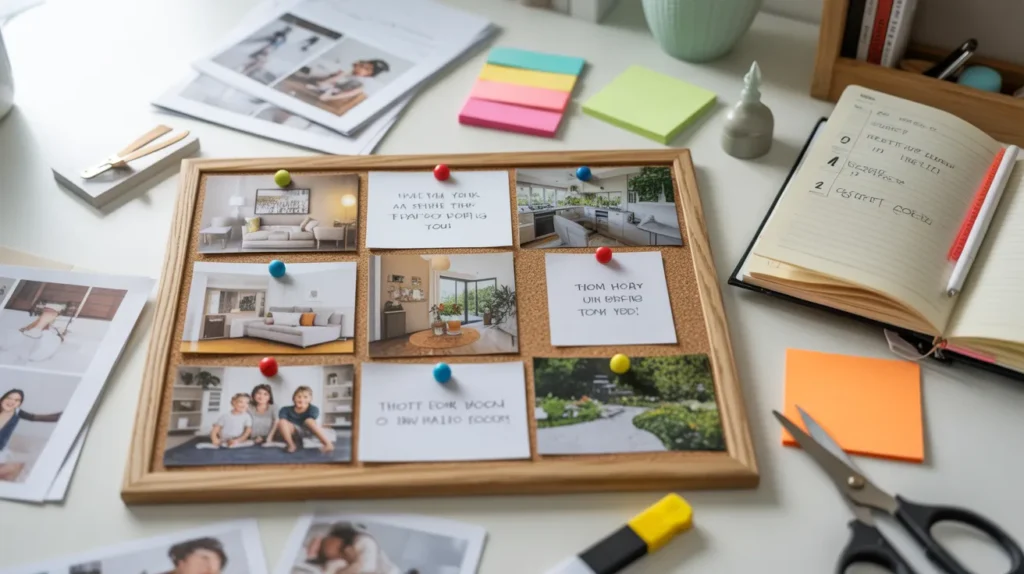
Many people dream about buying or building a home, but they do not always create a clear plan. A vision board helps you stay focused by turning your dream into something you can see daily. This daily reminder can push you to take small but important steps.
For example, your vision board can remind you to save money, research neighborhoods, compare property prices, improve your credit score, or learn about real estate investment. These small actions can slowly bring you closer to your goal.
A vision board also helps you avoid distractions. When you know what kind of home you want, you are less likely to waste time on options that do not match your lifestyle, budget, or long-term plans.
Setting Clear Dream Home Goals Before Creating Your Board
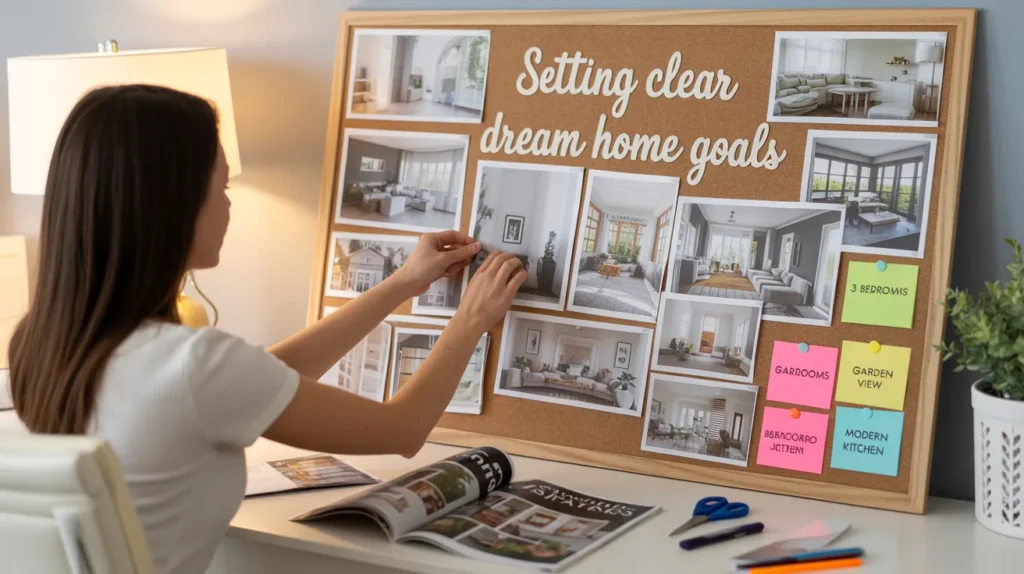
Before creating your real estate vision board, it is important to set clear goals. Ask yourself what type of home you want and why you want it. Do you want a small apartment, a family house, a farmhouse, a beach house, or a luxury property? Do you want to live in the city, suburbs, or a peaceful countryside area?
You should also think about your family needs, daily lifestyle, work routine, budget, and future plans. For example, if you work from home, you may need a home office. If you have children, you may want a safe neighborhood and nearby schools. If you love nature, you may want a garden or outdoor sitting area.
Clear goals make your vision board more meaningful. Instead of collecting random beautiful images, you will choose visuals that match your real dream home journey.
Choosing the Right Style for Your Real Estate Vision Board
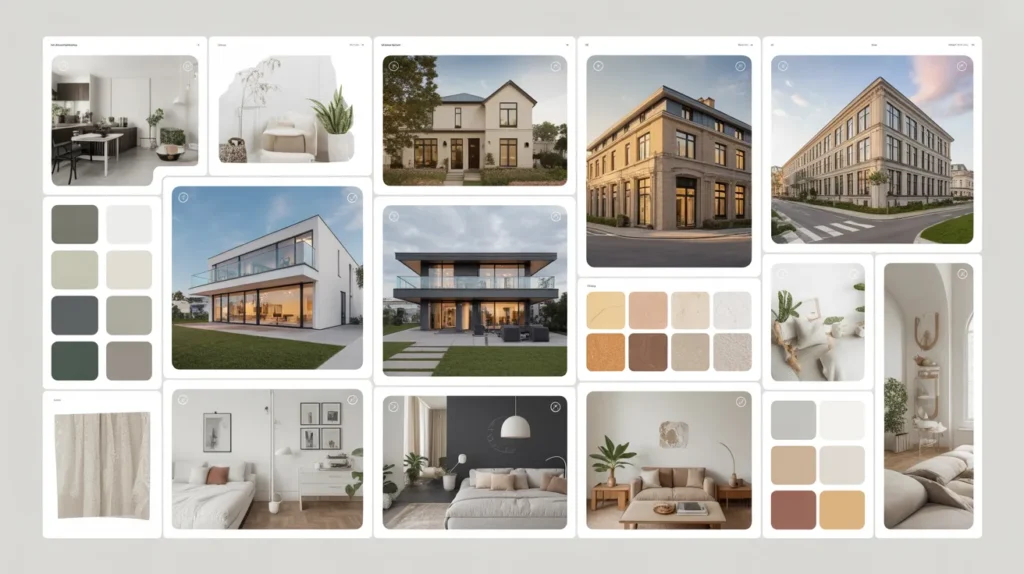
Your real estate vision board should reflect your personal style. Some people like a modern and minimal home, while others prefer a classic, farmhouse, luxury, or cozy style. Choosing a theme helps your board look more organized and focused.
You can select a color palette, design style, and overall mood for your board. For example, a modern home vision board may include neutral colors, open spaces, glass windows, and sleek furniture. A cozy home vision board may include warm lighting, soft sofas, wooden details, and peaceful corners.
The style you choose should match the lifestyle you want. Your board should not only look beautiful, but it should also feel connected to your personal comfort and future goals.
Key Elements to Add to Your Dream Home Vision Board
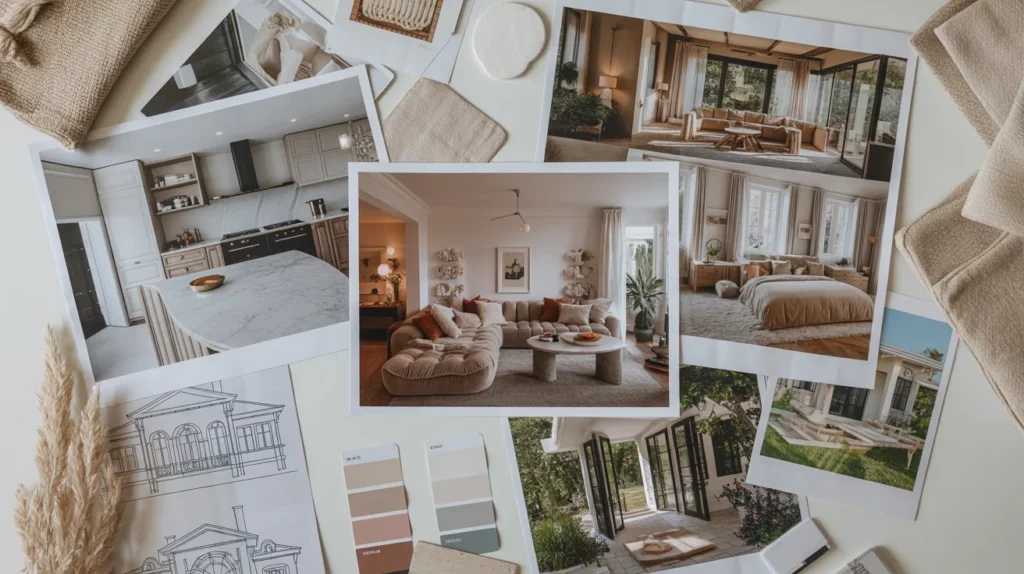
A strong real estate vision board should include different elements that represent your dream home journey. You can add images of house exteriors, interior rooms, kitchen designs, bedroom ideas, outdoor spaces, furniture, colors, and location inspiration.
You can also add words and phrases that describe your goal, such as “peaceful home,” “financial freedom,” “family comfort,” “modern living,” or “dream property.” Motivational quotes can also make your board more inspiring.
Another important element is your action plan. Add reminders like “save monthly,” “research properties,” “visit open houses,” or “compare locations.” This helps your board become more practical instead of only decorative.
Finding Inspiration for Your Ideal Home Design
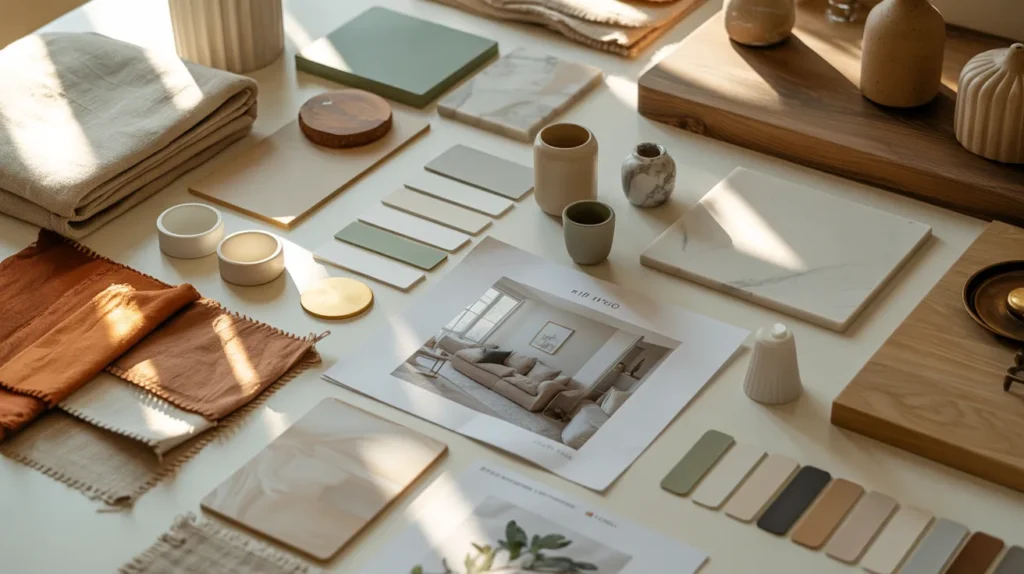
Inspiration is an important part of creating a real estate vision board. You can find ideas from magazines, real estate websites, Pinterest, Instagram, home design blogs, and property listings. Look for images that truly match your dream lifestyle.
When collecting inspiration, do not only focus on expensive or luxury homes. Focus on what feels realistic and meaningful for you. A simple home with the right layout, peaceful environment, and comfortable design can be more valuable than a large property that does not match your needs.
Save images that connect with your emotions. If a picture makes you feel peaceful, excited, or motivated, it may be a good choice for your vision board.
Adding Location Goals to Your Real Estate Vision Board
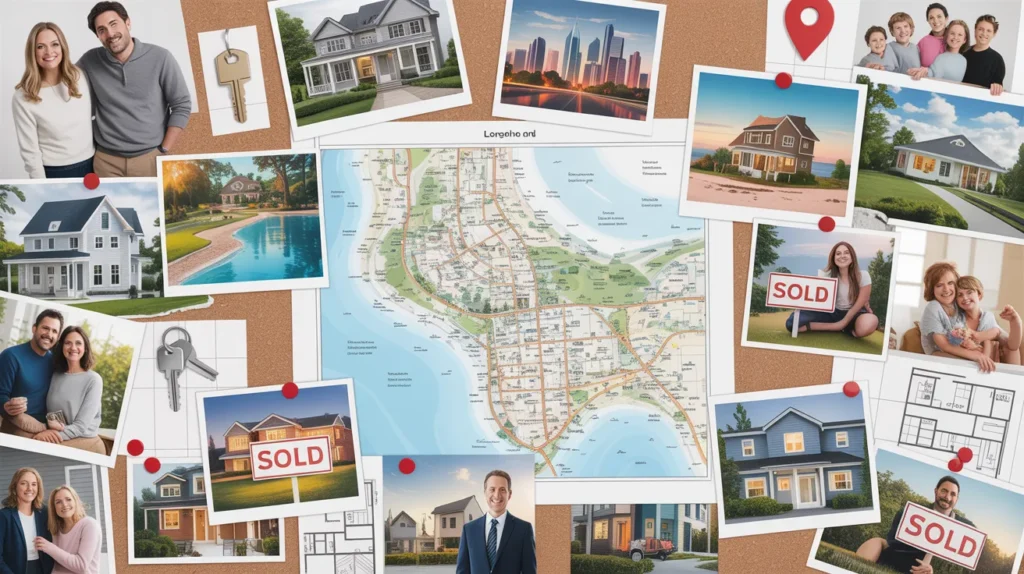
Location is one of the most important parts of any real estate plan. Your dream home is not only about the building; it is also about where it is located. Add images or notes related to your ideal neighborhood, city, or environment.
Think about what matters most to you. Do you want to live near schools, offices, shopping centers, parks, hospitals, or public transport? Do you prefer a quiet area or a lively city lifestyle? Do you want mountain views, beach access, or a family-friendly community?
Adding location goals to your vision board helps you stay focused on the environment that best supports your lifestyle.
Visualizing Your Perfect Home Interior and Exterior
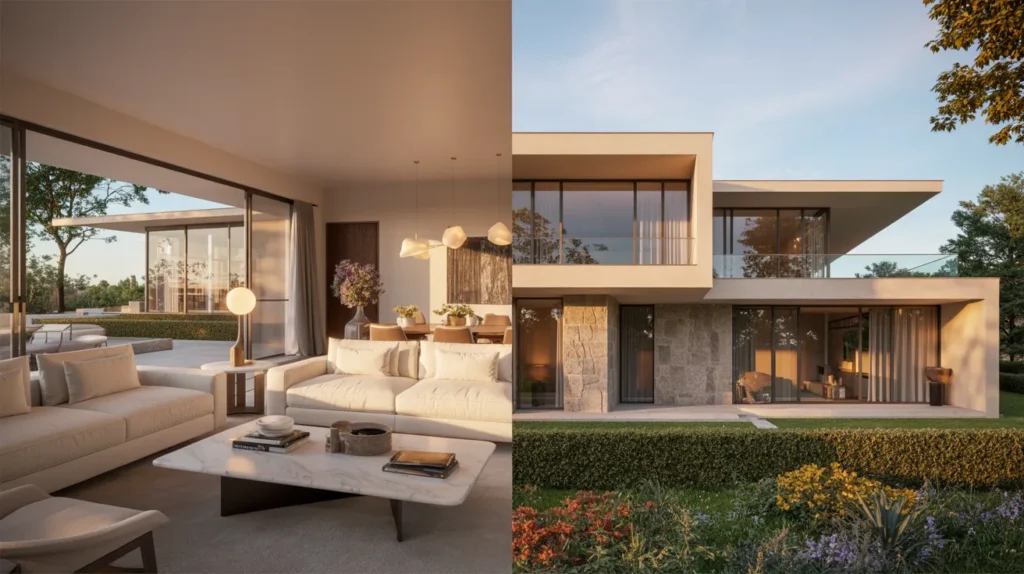
Your vision board should include both interior and exterior ideas. The exterior shows the overall look of your dream home, while the interior shows how you want to live inside it.
For the exterior, you can add images of house styles, front doors, gardens, balconies, garages, rooftops, or outdoor sitting areas. For the interior, include living rooms, bedrooms, kitchens, bathrooms, dining areas, and home offices.
This helps you create a complete picture of your dream property. When you understand both the outside and inside of your ideal home, it becomes easier to explain your preferences to real estate agents, designers, or builders.
Including Budget and Savings Goals on Your Vision Board
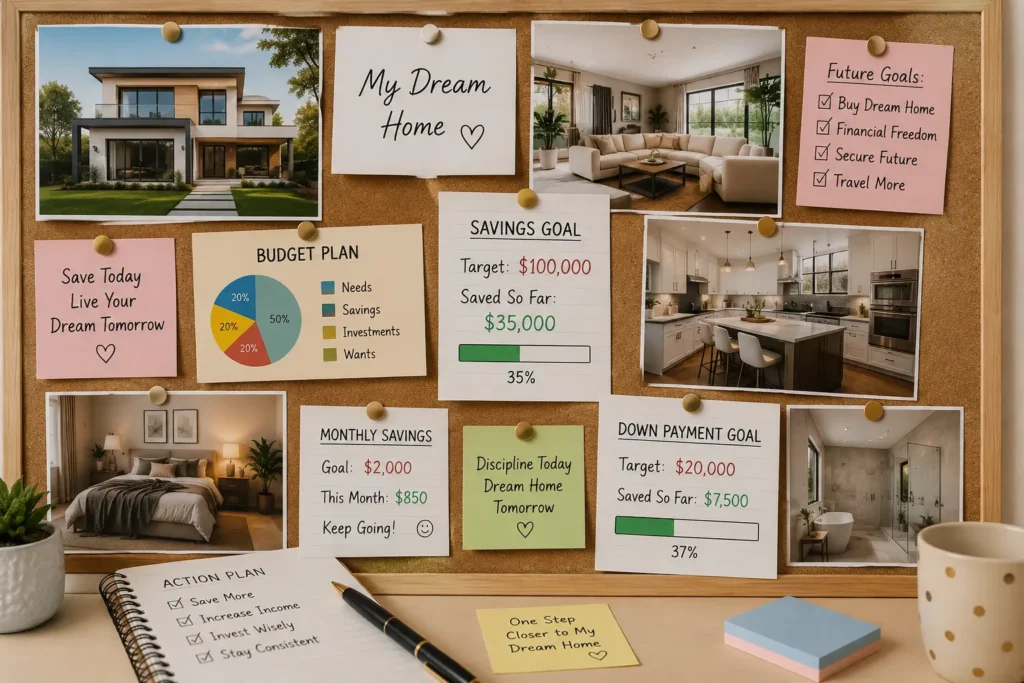
A real estate vision board should not only focus on design. It should also include financial goals. Buying or building a home requires planning, saving, and smart money management. Adding budget goals makes your vision board more realistic.
You can include your target home price, down payment goal, monthly savings amount, or timeline for buying a property. You can also add reminders to reduce unnecessary spending, improve income, or learn about mortgage options.
When your financial goals are visible, you become more serious about achieving them. This turns your dream home journey into a practical plan.
How to Use Property Images for Better Motivation
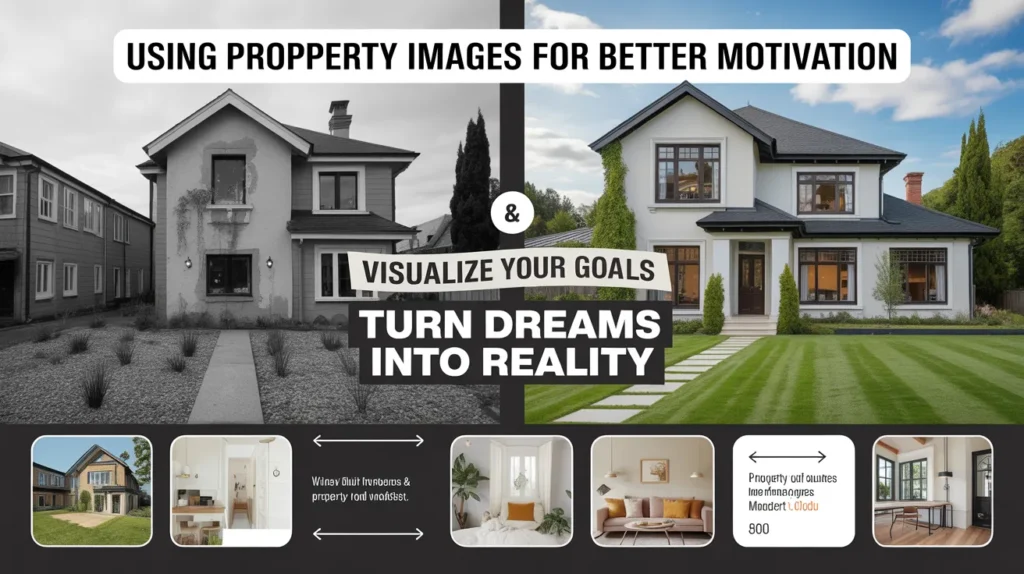
Property images are the heart of a real estate vision board. They help you imagine your future home more clearly. Choose images that match your dream, not just pictures that look expensive or trendy.
You can use images of homes that match your preferred size, layout, design, and location. If you want a small and peaceful home, choose pictures that reflect simplicity and comfort. If you want a luxury property, add images that inspire elegance and success.
The purpose is to create motivation. Every time you look at your board, the images should remind you of the life you are working toward.
Adding Inspirational Quotes for Your Home Buying Journey
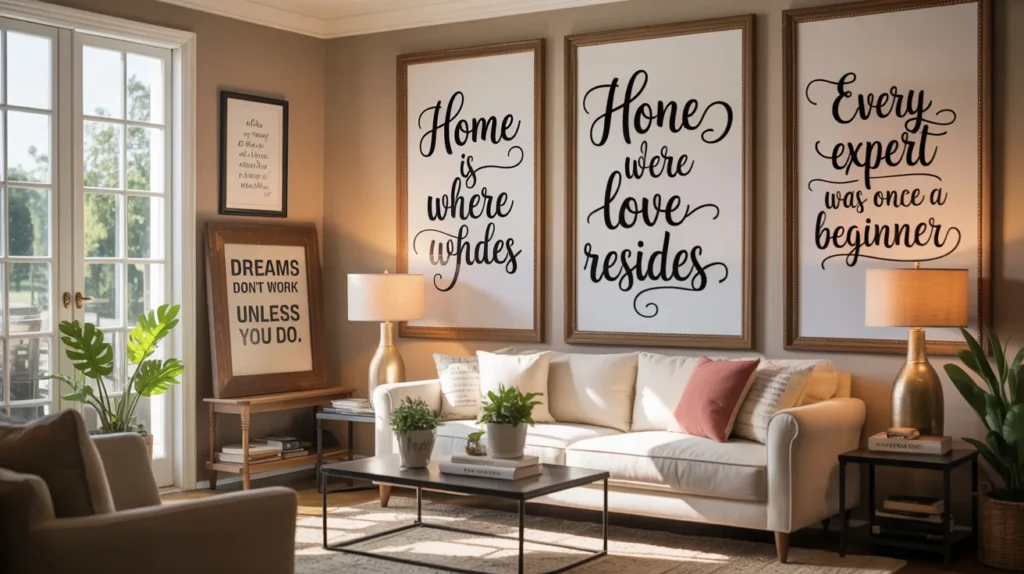
Inspirational quotes can add emotional strength to your real estate vision board. Buying a home can take time, patience, and effort. A few powerful words can help you stay positive during the journey.
You can add quotes like “Dream it, plan it, own it,” “Home is where your story begins,” or “Small steps create big dreams.” These quotes can remind you that your dream home is possible with consistency and planning.
Choose quotes that feel personal to you. The more connected you feel to your board, the more powerful it becomes.
Creating a Digital Real Estate Vision Board
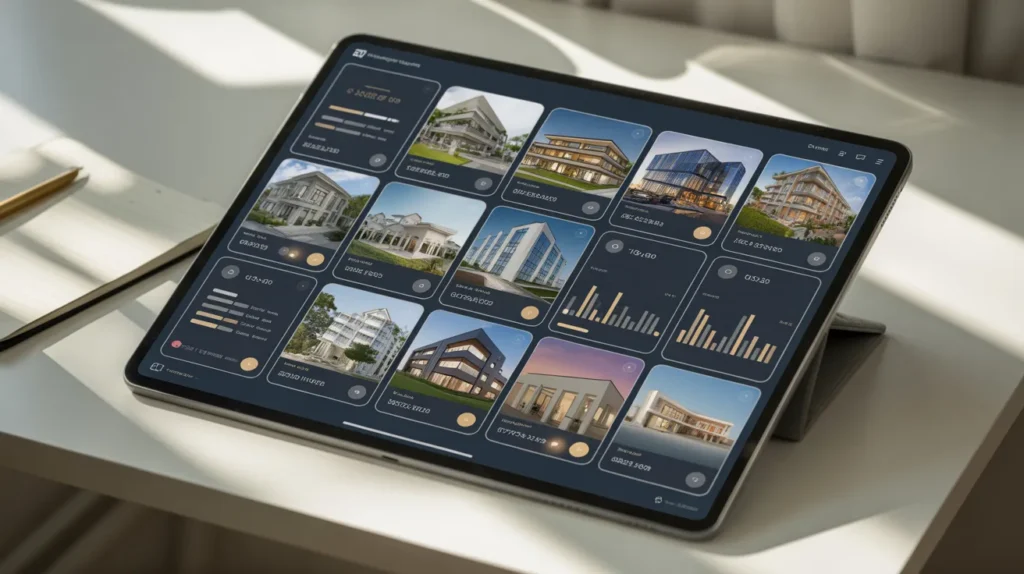
A digital vision board is easy to create and update. You can use platforms like Pinterest, Canva, Google Slides, or any collage-making app. Digital boards are helpful because you can access them on your phone, laptop, or tablet anytime.
You can create different sections for home exterior, interior design, budget goals, location ideas, and motivational quotes. You can also save property links, design references, and home-buying tips.
A digital real estate vision board is perfect for people who like flexibility and want to keep adding new ideas over time.
Making a Physical Vision Board for Your Dream Home
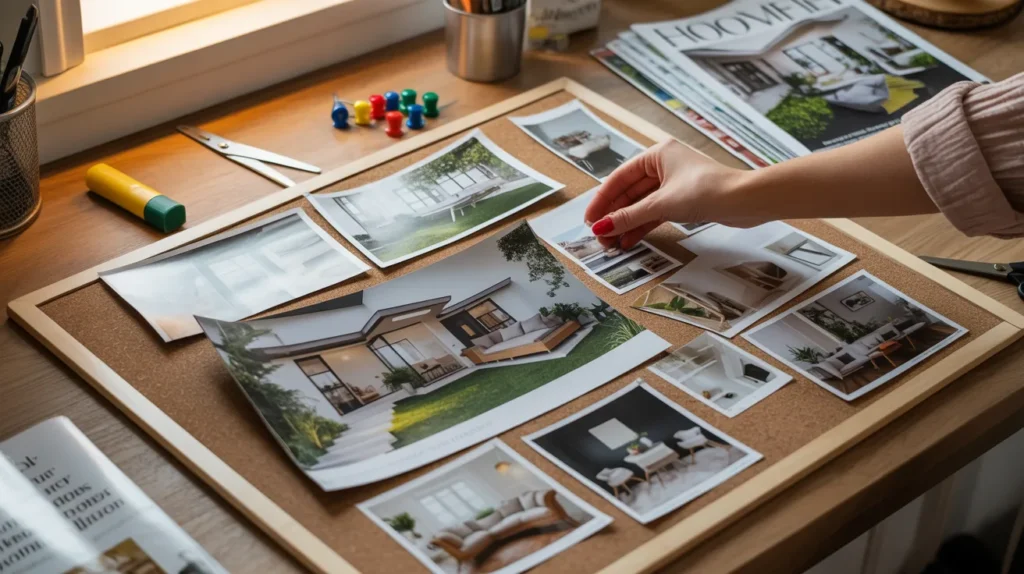
A physical vision board is a great option if you want something visible in your room, office, or personal space. You can use a corkboard, poster board, scrapbook, or wall frame. Print your favorite images and arrange them creatively.
You can add magazine cutouts, handwritten goals, sticky notes, quotes, and decorative elements. A physical board gives a personal and emotional touch to your dream home journey.
Place it somewhere you can see it daily. This constant reminder can keep your dream home goal active in your mind.
Real Estate Vision Board Ideas for First-Time Home Buyers
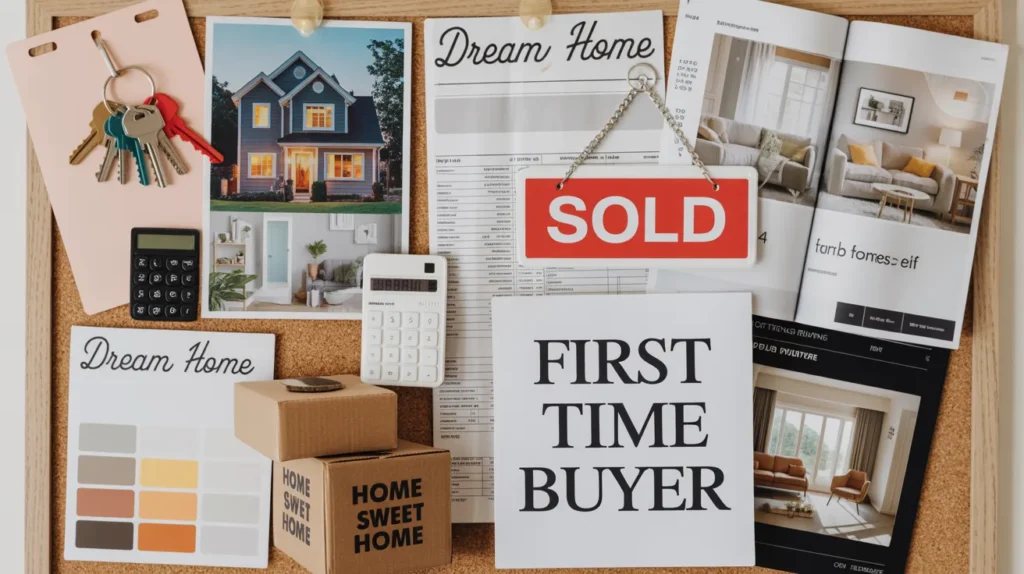
First-time home buyers can use a vision board to understand what they want before entering the property market. Since buying a first home can feel confusing, a vision board helps simplify the process.
You can include your preferred home size, number of rooms, neighborhood type, budget range, and must-have features. For example, you may want a two-bedroom apartment, a small garden, a modern kitchen, or a safe family area.
This makes your home search easier because you already know your priorities. It also helps you avoid emotional decisions that do not match your real needs.
Vision Board Tips for Future Property Investors
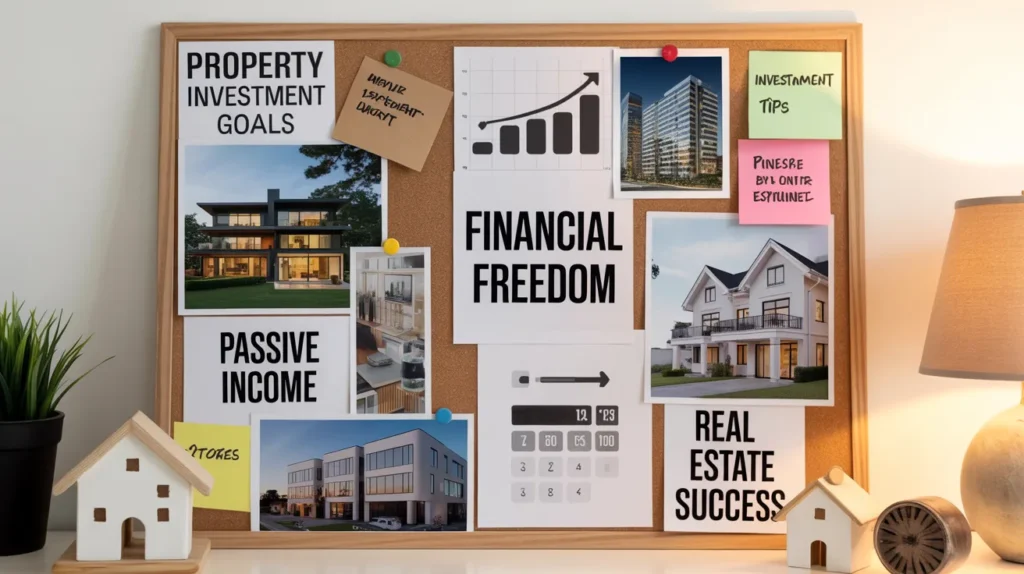
A real estate vision board is not only for home buyers. Property investors can also use it to plan their investment goals. If your goal is to buy rental properties, flip houses, or build long-term wealth, your board can reflect that vision.
Add images of rental units, commercial spaces, investment properties, financial milestones, and wealth-building goals. You can also include notes about target locations, expected returns, and property types.
For investors, a vision board can work as a visual business plan. It keeps your focus on growth, strategy, and long-term success.
How to Turn Your Vision Board Into an Action Plan
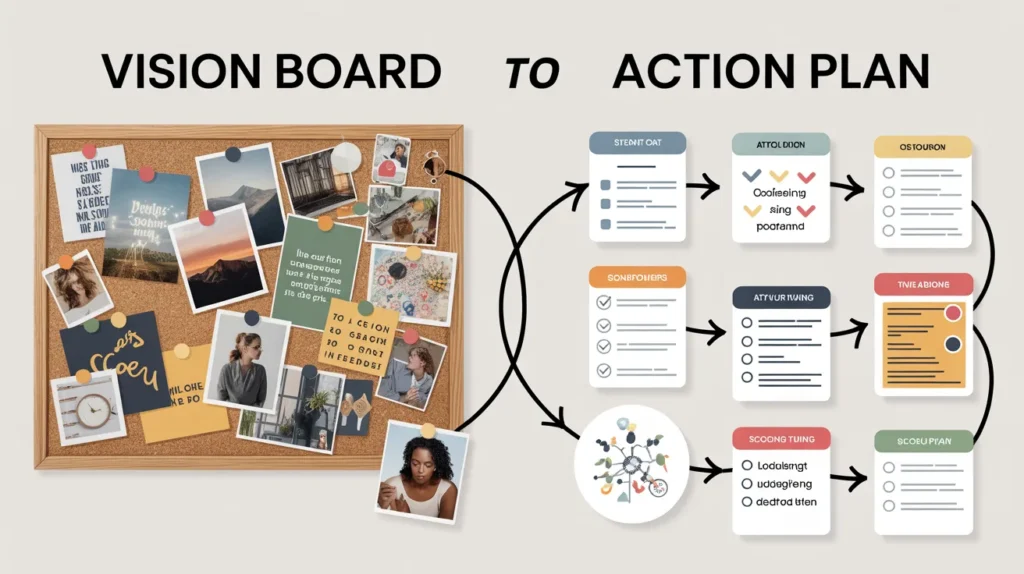
A vision board is powerful, but action is what turns dreams into reality. After creating your board, make a list of practical steps you need to take. These steps may include saving money, checking your credit, researching locations, contacting real estate agents, or visiting properties.
Break your big goal into smaller monthly or weekly tasks. For example, one month you can focus on budgeting, the next month you can research neighborhoods, and later you can start visiting homes.
Your real estate vision board should inspire you, but your action plan will move you forward.
Updating Your Real Estate Vision Board Over Time
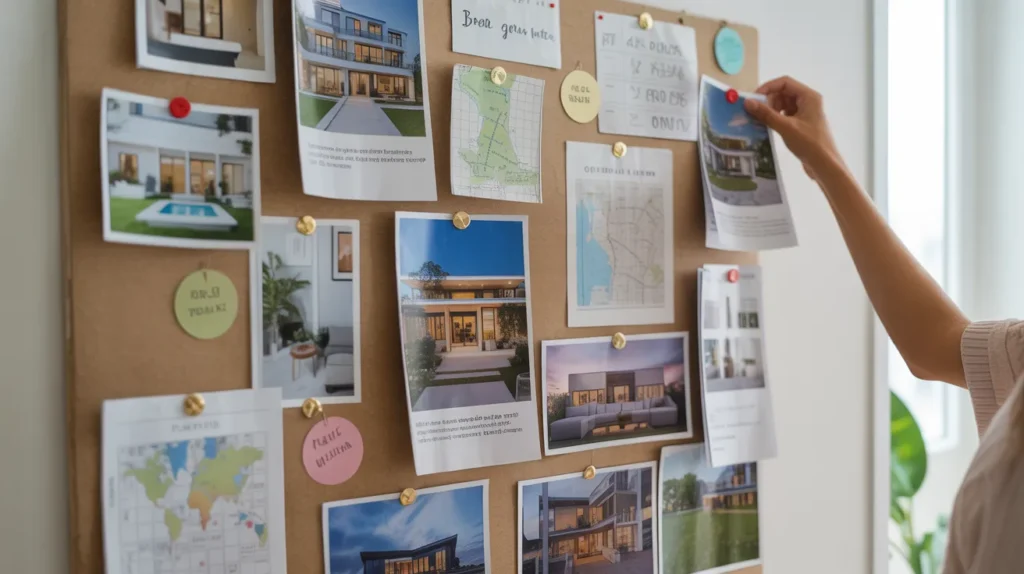
Your goals may change with time, and that is normal. As your income, family needs, lifestyle, or location preferences change, your vision board should also be updated. Review your board every few months and remove anything that no longer fits your dream.
You may discover new design ideas, better locations, or more realistic budget plans. Updating your board keeps it fresh and relevant.
A vision board is not a one-time project. It is a living tool that grows with your dream home journey.
Final Thoughts
Creating a real estate vision board for your dream home journey is a simple but meaningful step toward achieving your property goals. It helps you organize your ideas, visualize your future, stay motivated, and take practical action.
Your dream home does not become real overnight. It requires planning, patience, saving, research, and consistent effort. A vision board helps you stay connected to your goal during the entire process.
Whether you are dreaming of a cozy apartment, a modern house, a luxury villa, or a peaceful family home, your real estate vision board can guide you from imagination to reality. Start with clear goals, choose meaningful visuals, add financial planning, and take small steps every day. With focus and dedication, your dream home journey can become a successful and inspiring reality.